No source reviewed shows a measured net shift of single family offices from Singapore to Hong Kong, but Hong Kong's count has grown 25% in two years while Singapore has tightened its licensing rules and Beijing has set a 20% tax on offshore trusts, so the question is live for Asian families choosing a base.
TL;DR
- Confirmed: Deloitte counted about 3,384 single family offices in Hong Kong at end-2025, up 681 from Q4 2023, while Ocorian cites more than 2,000 tax-incentivised single family offices in Singapore at end-2024. The definitions and dates differ, so the figures are not like-for-like.
- Confirmed: MAS's revised Singapore framework took effect on 15 June 2026, and existing offices have until 15 June 2027. Reported: Chinese rules issued on 24 July tax offshore trusts at 20% at nearly every stage.
- Not confirmed: that wealth is net moving from Singapore to Hong Kong. Singapore's trade ministry and MAS said in August they saw no impact or unusual fund flows.
What do the numbers say about Singapore and Hong Kong family offices?
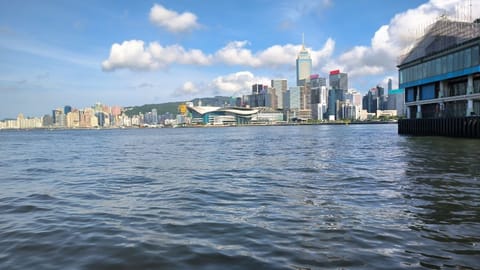
A Deloitte study of the Hong Kong market, reported by the South China Morning Post, counted about 3,384 single family offices (SFOs) at the end of 2025, up 681 or 25% from the fourth quarter of 2023. The survey ran from October to December 2025 and covered 136 market participants, including 85 SFOs, and 60% of respondents planned to increase investment in Hong Kong over three years. For Singapore, the advisory firm Ocorian cites more than 2,000 tax-incentivised SFOs by end-2024. That figure is a year older and uses a different definition, so it is not a like-for-like comparison, and no newer Singapore count was found in the sources reviewed.
What has Singapore changed for single family offices?
The Monetary Authority of Singapore (MAS), the central bank and financial regulator, announced on 11 June 2026 a revised framework effective 15 June 2026. It gives qualifying SFOs a straight-through exemption from licensing: they notify MAS, keep an account with a MAS-licensed bank and file an annual return with assets under management and the bank's name. Existing SFOs have a one-year transition to 15 June 2027. Separately, Seoul Economic Daily, citing Nikkei Asia, reports that Singapore tightened source-of-funds checks after an August 2023 money-laundering case and that approvals now take more than a year. That claim is secondary and was not checked against MAS.
What has Beijing changed for offshore trusts?
The Star, republishing a Straits Times report on 14 August 2026, said Chinese authorities issued rules on 24 July that apply a 20% tax at nearly every stage of an offshore trust: establishment, distribution to beneficiaries and termination. Unpaid tax on assets placed in trusts since 1 January 2023, and on trust income received before 2026, must be settled within 90 days to avoid late-payment penalties. Loh Kia Meng of Dentons Rodyk said a foreign passport or permanent residence "is not, by itself, a tax plan". Singapore's Ministry of Trade and Industry said it had no reports of impact on wealth managers, and MAS reported no unusual volatility in fund flows.
What is Hong Kong offering?
Ocorian describes a proposed Inland Revenue (Amendment) Bill 2026 that would widen Hong Kong's preferential tax regimes, including the definition of a fund, qualifying investments and carried interest treatment. Seoul Economic Daily reports that Hong Kong aims to help at least 220 family offices set up or expand there by 2028. Ocorian's contrast is that Singapore is tightening its licensing perimeter with clearer oversight, while Hong Kong is widening its tax perimeter.
Why it matters for families and advisers
Ocorian argues that headline tax rates and brand matter less than fit: regulatory clarity and operating requirements, investment flexibility, ownership structure, governance model, asset mix and long-term plans. A raw count race between the two cities is therefore a weak guide for any one family. Questions worth raising with qualified advisers include which regime covers a given structure, what source-of-funds documentation a bank will expect, and how the family's home-country tax rules treat a trust. This article is general information, not legal or tax advice. Asia Family Office Hub's recent coverage of Hong Kong's target of 220 more family offices, Singapore's 15 June 2027 notification deadline and the MAS review of qualifying investments for the SFO tax exemption gives more detail on each side.
Frequently Asked Questions
How many single family offices are in Hong Kong and Singapore?
Deloitte counted about 3,384 in Hong Kong at end-2025. Ocorian cites more than 2,000 tax-incentivised offices in Singapore at end-2024. The figures use different definitions and dates.
When must existing Singapore single family offices comply with the revised framework?
By 15 June 2027, after a one-year transition from 15 June 2026, according to MAS.
What does China's offshore trust tax involve?
As reported by The Star, a 20% tax at nearly every stage of a trust, with a 90-day window to settle unpaid tax on assets placed since 1 January 2023.
Are Chinese families leaving Singapore for Hong Kong?
Not established. In August, Singapore's trade ministry and MAS reported no impact or unusual flows, while an October Seoul Economic Daily report described a shift toward Hong Kong. The direction of net flows is unconfirmed.
Sources and Method
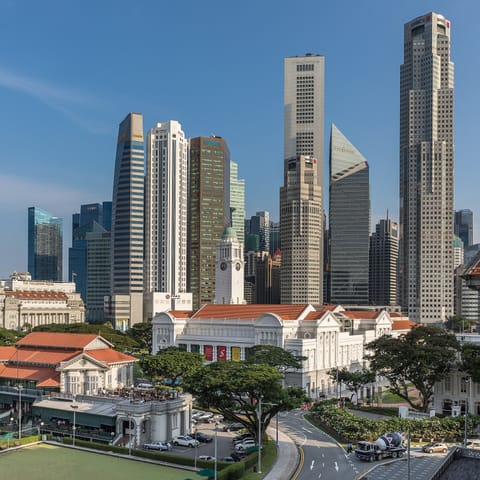
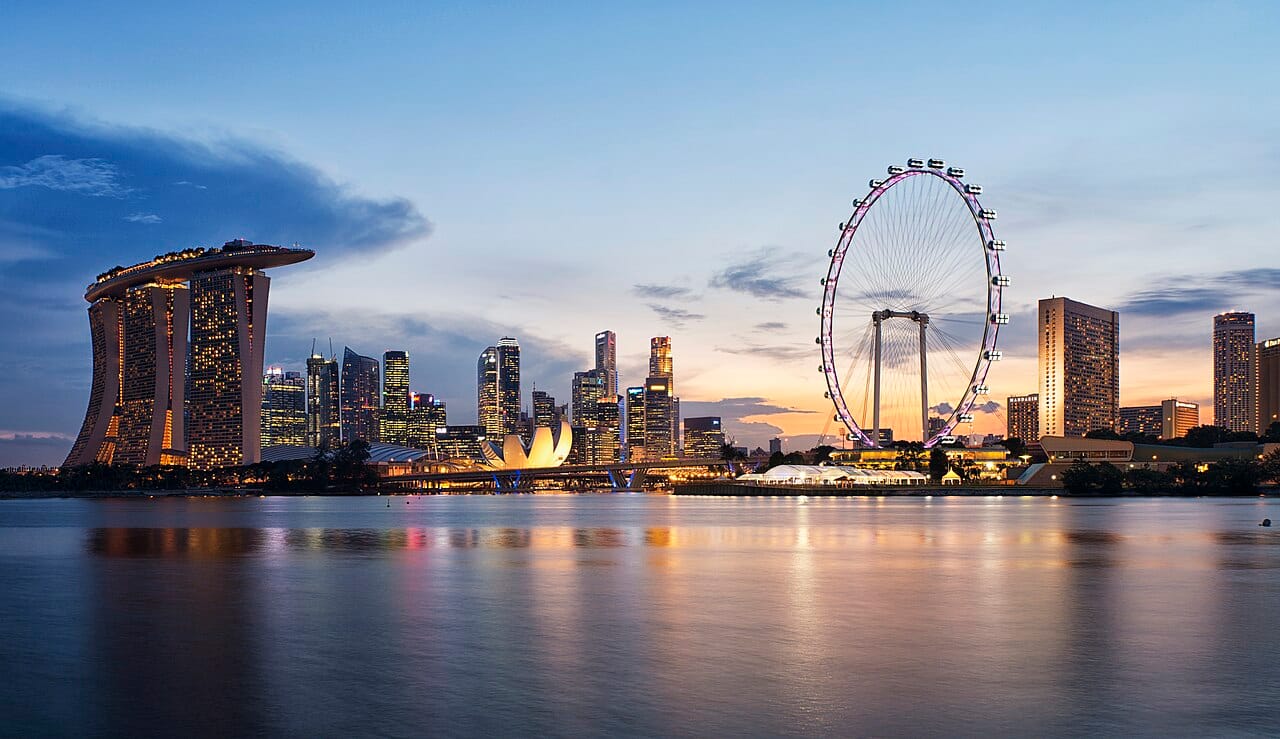
This article is an original rewrite based on: MAS media release on the revised SFO framework (mas.gov.sg/news/media-releases/2026/revised-framework-for-single-family-offices-to-take-effect-on-15-june-2026, 11 June 2026); South China Morning Post on the Deloitte Hong Kong study (scmp.com/business/banking-finance/article/3343031/hong-kong-family-offices-jump-25-wealthy-shift-focus-us-deloitte); Ocorian, Singapore or Hong Kong (7 July 2026); The Star, China-linked clients face new Beijing tax scrutiny (14 August 2026); Seoul Economic Daily, Chinese Wealth Shifts From Singapore Back to Hong Kong (Park Min-ju, 8 October 2026, an AI-translated report citing Nikkei Asia, whose original was not opened). Deloitte's own report was not opened. Views and forecasts are attributed to the named sources. Image: Singapore skyline at sunset, Chensiyuan, CC BY-SA 4.0, via Wikimedia Commons.