
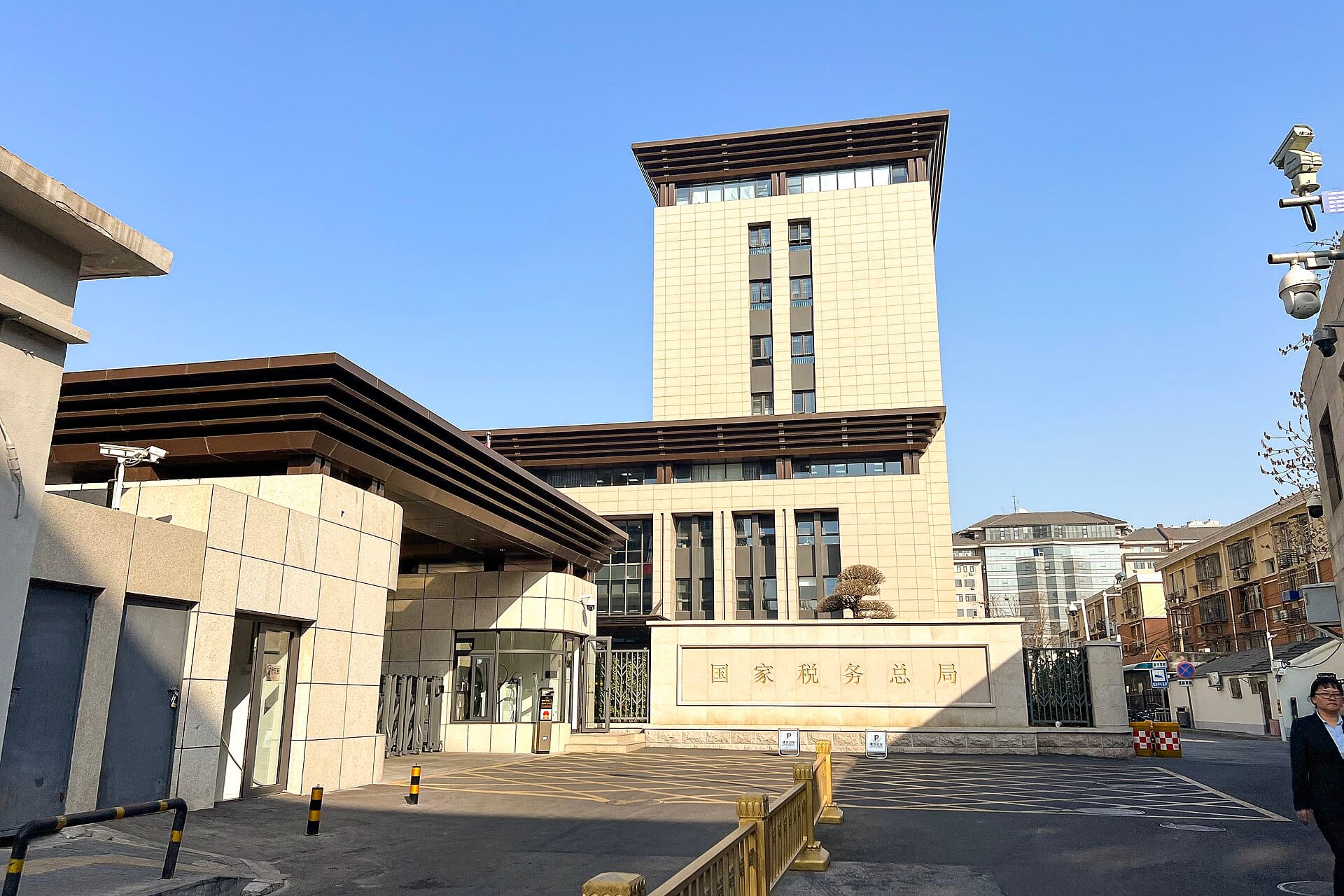
China's State Taxation Administration (STA) says tax residents declared more than 160 billion yuan (about US$24 billion) of individual income tax on offshore trust earnings during a 90-day transition window that ended in October 2026, with over 120 billion yuan collected in October alone. The window is now closed: late declarations face surcharges, and the STA says intermediaries that helped clients evade tax will be investigated.
TL;DR
- Rules issued on 24 July 2026 by China's Ministry of Finance and the STA required Chinese tax residents receiving offshore trust earnings to declare and pay individual income tax within 90 days, without late-payment surcharges.
- Declarations topped 160 billion yuan, the STA said on 11 November, the first official figure on the policy's revenue impact. October individual income tax revenue rose nearly 90% year on year.
- For Asian family offices with mainland Chinese principals, offshore trust structures no longer defer Chinese tax on share gains and dividends, and enforcement is moving from voluntary filing to follow-up.
What did China's tax authority announce?
According to Xinhua, China's state news agency, the STA announced the results on 11 November 2026. It said most taxpayers complied with the July rules. Gains from share sales and dividends earned through offshore trusts are subject to individual income tax, and the rules set uniform standards for calculating that income. Xinhua quoted Li Xuhong, a professor at the Beijing National Accounting Institute, as saying the rules improve policy certainty and that taxing residents on both domestic and overseas income is a basic principle of China's individual income tax law.
Caixin, the Beijing-based financial publication, reported on 12 November that the October inflow helped drive the near-90% rise in that month's personal income tax revenue, and that the transition window ended on 22 October.
What happens to people who did not declare?
The STA said taxpayers who declared inaccurately, or not at all, during the window will be urged to correct their filings, and late-payment surcharges will now apply under the regulations. Intermediaries and individuals found to have encouraged or assisted tax evasion will be investigated. Neither Xinhua nor Caixin's public summary gives the number of trusts or taxpayers involved.
Why it matters for family offices in Singapore and Hong Kong
Offshore trusts have long been a core succession and holding tool for wealthy mainland families, many of whom run family offices in Singapore and Hong Kong. The STA figure shows the scale of income that sat in those structures and confirms that Beijing expects residence-based tax to be paid on it, regardless of where the trust is administered. Asia Family Office Hub reported in September that MAS told Parliament it had seen no sign yet of major fallout from the trust tax for Singapore (https://asiafamilyofficehub.com/mas-tells-parliament-no-sign-yet-of-major-fallout-from-chinas-offshore-trust-tax/), and in November we looked at whether the rules are nudging offices between the two hubs (https://asiafamilyofficehub.com/are-family-offices-moving-from-singapore-to-hong-kong-what-mas-deloitte-and-beijings-trust-tax-rules-show/).
Practical questions for family office teams include: whether principals or beneficiaries are Chinese tax residents; whether trust distributions, share disposals and dividends since the rules took effect have been mapped; whether filings made during the window were complete; and how trustees, banks and advisers in Singapore and Hong Kong are documenting their role, given the STA's warning to intermediaries.
Not confirmed: how many individuals or trusts filed, how many did not, and whether further guidance on post-window enforcement will be published.
Frequently Asked Questions
How much tax did China collect from offshore trusts?
The STA said declarations on offshore trust earnings exceeded 160 billion yuan, about US$24 billion, during the 90-day transition window, with more than 120 billion yuan collected in October 2026.
When did China's offshore trust tax transition window end?
The 90-day window followed rules issued on 24 July 2026. Caixin reports that it ended on 22 October 2026. After that, late-payment surcharges apply.
Does moving a family office to Singapore or Hong Kong avoid the tax?
Not on its own. The tax applies to Chinese tax residents on domestic and overseas income, according to Xinhua's report of the STA's position. Families should take professional tax advice on their specific residency and structure.
Sources and Method
Primary source: Xinhua, "China wraps up offshore trust tax transition, declared tax tops 160 bln yuan", 11 November 2026 (https://english.news.cn/20261111/8b9f0d5bd2324fd3881cd7844d7157fa/c.html), reporting the STA announcement. Independent source: Caixin Global, Cheng Siwei, 12 November 2026 (https://www.caixinglobal.com/2026-11-12/offshore-trust-taxes-help-fuel-chinas-90-personal-income-tax-surge-102503762.html); the full Caixin article is paywalled and only its public summary was reviewed. The STA's original Chinese-language notice was not reviewed directly. This is general information, not tax or legal advice.