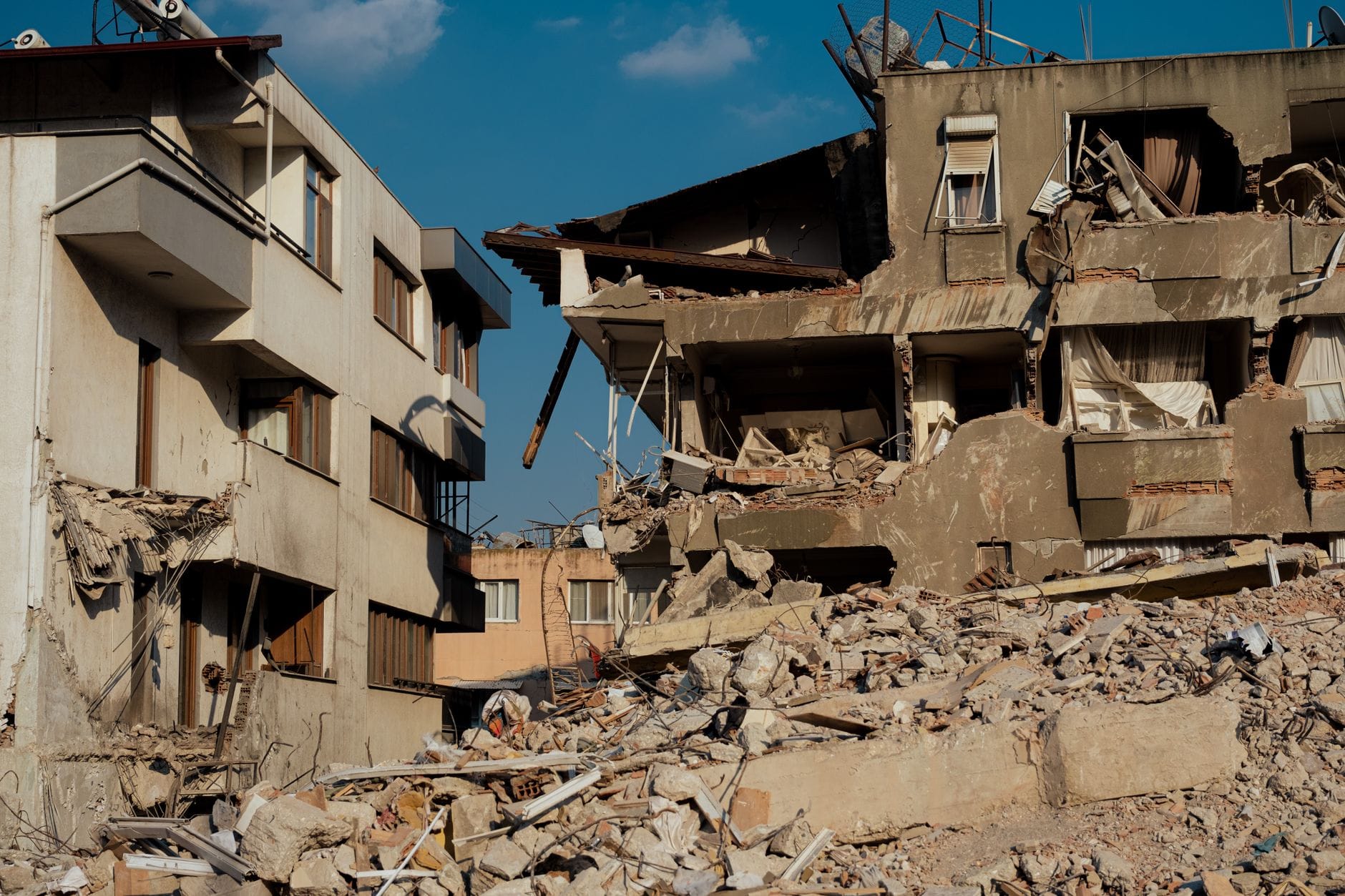
Miami-based Activist Wealth Management deployed staff on the ground in Venezuela and in Miami to support clients and families affected by earthquakes. The response highlights a governance gap many Asia-Pacific family offices have yet to address: formal protocols for human-presence crisis response across multiple jurisdictions.
Miami-based registered investment adviser Activist Wealth Management mobilised staff across two geographies following a series of earthquakes in Venezuela, deploying personnel both on the ground in Venezuela and across its Miami operations to deliver direct assistance, supplies, and relief to affected clients and their families. The response drew attention within the wealth management community for its operational reach and the depth of its client relationships in the Latin American diaspora.
For Asia-Pacific family office principals with internationally dispersed beneficiaries, staff, and philanthropic interests, this episode carries a practical governance lesson that extends well beyond the Americas. Multi-jurisdictional family offices routinely maintain principals, family members, and trusted advisers across regions exposed to geopolitical disruption, natural disaster, and sudden humanitarian need. The question of how a family office responds when a crisis strikes a geography where it has human exposure, not just financial exposure, is increasingly a board-level continuity concern, not a back-office afterthought.
Activist Wealth's response illustrates several operational postures that family office governance frameworks should consider formalising. The firm's ability to act quickly depended on having staff with on-the-ground presence, pre-existing community relationships, and a clear mandate to prioritise client welfare alongside portfolio management. These are not accidental capabilities; they reflect deliberate decisions about hiring, geography, and the scope of the adviser-client relationship. For family offices structured under frameworks such as Singapore's Variable Capital Company regime or Hong Kong's OFC structure, where the principal-facing team may be concentrated in a single jurisdiction, the absence of a similar human-presence protocol in high-risk geographies can become a material governance gap during a crisis.
- Establish a named crisis-response lead within the family office governance structure, distinct from investment and compliance roles.
- Map the geographic exposure of all family members, key staff, and material service providers at least annually.
- Maintain pre-approved discretionary budgets for humanitarian assistance that do not require investment committee sign-off during an active emergency.
- Coordinate with legal counsel in relevant jurisdictions, including MAS-regulated entities in Singapore and SFC-licensed managers in Hong Kong, to ensure crisis expenditures comply with applicable fiduciary and regulatory standards.
- Document the response protocol in the family office's operational continuity plan, reviewed alongside succession and governance documents.
Why it matters: Natural disasters and geopolitical shocks do not respect portfolio boundaries. A family office that can respond with speed, human presence, and pre-authorised resources when a crisis strikes a geography where its principals or beneficiaries live is demonstrating a form of governance maturity that is increasingly visible to regulators, co-investors, and next-generation family members evaluating whether the institution deserves their continued trust.