Hospitality has become a leading real estate play for family office capital in Asia-Pacific, according to industry data presented this week at IHIF Asia in Hong Kong, though the underlying numbers are more nuanced than the headline suggests.
TL;DR
- Hospitality has emerged as a leading real estate asset class for family office capital in Asia-Pacific, according to organisers of IHIF Asia, which ran 16 to 18 September in Hong Kong.
- Knight Frank's Wealth Report 2025 found 44% of 150 surveyed family offices plan to increase real estate exposure over the next 18 months, versus just 10% planning to reduce it, though Knight Frank's own sector rankings put Living, Industrial/logistics and Luxury residential ahead of hospitality by name.
- Industry executives point to family offices' flexibility, writing both debt and equity cheques across asset classes and geographies, as the reason hotel deals are drawing more of their capital.
What happened at IHIF Asia this week?
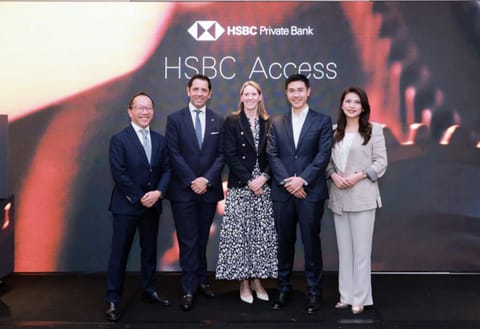
IHIF Asia 2026 ran from 16 to 18 September at the Regent hotel in Hong Kong, bringing together more than 500 investors, owners, operators, developers and hospitality brands, according to organiser Questex. Ahead of the event, Questex highlighted family offices as an increasingly important investor segment, pointing to a dedicated session, "Inside Family Office Capital: Decision Frameworks and Deal Strategy," presented by Richard Zen, founder and managing partner of Trivium Asset Management, and moderated by Candice Wu, co-founder of Tigris Family Office. A separate networking session on 17 September brought together attending family offices and family office-owned property groups specifically.
Is hospitality really the top real estate asset class for family offices?
This is where the picture gets more nuanced. Questex's own framing, echoed by IHIF Asia speakers, describes hospitality as having become the top real estate asset class for family office capital in the region. The evidence cited for that claim is Knight Frank's Wealth Report 2025, which surveyed 150 family offices headquartered across 29 cities and found 44% plan to increase real estate exposure over the next 18 months, against only 10% planning to reduce it. Knight Frank's own published sector breakdown, however, lists Living sectors, industrial and logistics, and luxury residential, not hospitality by name, as the top three targets. That does not necessarily contradict the hospitality-specific framing, since asset categorisations vary and hotel assets can overlap with several categories, but it is worth noting that the "top asset class" claim reflects the hospitality industry's own reading of the data rather than an independently confirmed ranking.
Why are family offices drawn to hospitality deals specifically?
Cody Bradshaw, group chief executive of hotels at L+R, said family office capital represents an increasingly formidable investor base, with the ability to write cheques across a range of asset classes and geographies, both debt and equity. Unlike institutional funds bound by strict mandates and return timelines, family offices can move quickly, hold positions longer and blend equity and debt in a single deal, flexibility that conference organisers cite as the main reason hospitality assets are drawing more family office capital specifically.
What does this mean for the broader region?
IB Saravanan, vice president of Questex Asia, said the growing influence of family office capital in Asia-Pacific hospitality reflects a wider trend of family offices becoming more sophisticated, direct investors across the region. Hong Kong's own push to grow its family office base (asiafamilyofficehub.com/hong-kongs-family-offices-pass-3-380-as-government-sets-sights-on-220-more-by-2028/), the city wants to attract 220 more family offices between 2026 and 2028 after passing 3,380 registered single-family offices, gives it a direct interest in courting this capital into local and regional property deals. It follows Citi Private Bank's own family office forum in Hong Kong earlier this month (asiafamilyofficehub.com/citi-gathers-150-family-offices-in-hong-kong-to-talk-ai-and-the-new-asian-order/), part of a broader pattern of the region's wealth managers and event organisers competing for family office attention. That competition plays out against the backdrop of Singapore and Hong Kong's rival family office regimes (asiafamilyofficehub.com/singapore-vs-hong-kong-2026-navigating-tax-incentives-substance-requirements-and-capital-deployment-rules/), each vying to be the base from which this capital gets deployed.
Why it matters
For family offices already active in Asia-Pacific real estate, the data suggests hospitality deserves closer scrutiny alongside more established targets like logistics and residential. For hotel operators and property groups seeking capital, family offices' flexibility on structure, whether debt or equity, could make them a more responsive counterparty than institutional funds bound by tighter mandates. Readers should treat the "top asset class" framing as one industry narrative built on real survey data, not a settled, independently verified fact.
Frequently Asked Questions
What is IHIF Asia?
IHIF Asia is an annual hospitality investment conference organised by Questex, bringing together hotel investors, owners, operators and developers. The 2026 edition ran 16 to 18 September in Hong Kong and drew more than 500 attendees.
Is hospitality definitely the top real estate asset class for family offices in Asia-Pacific?
That is the framing used by IHIF Asia's organisers, drawing on Knight Frank's Wealth Report 2025. Knight Frank's own published rankings put Living sectors, industrial/logistics and luxury residential as the top three targets by percentage, so the specific claim that hospitality ranks first reflects industry framing rather than an independently confirmed ranking.
How many family offices does the Knight Frank data cover?
Knight Frank surveyed 150 family offices, 121 single-family and 18 multi-family offices plus 11 more diverse structures, headquartered across 29 cities including Singapore, Hong Kong, London, New York, Geneva and Sydney.
Sources and method: This article draws on Questex's IHIF Asia press release distributed via PRNewswire on 11 September 2026, covering the event held 16 to 18 September 2026 at the Regent, Hong Kong, and cross-checked against Knight Frank's Wealth Report 2025, whose survey findings and sector breakdown are independently published on Knight Frank's own research site and corroborated by other wealth-industry outlets. No forecasts or figures in this article go beyond those attributed to these sources.