Hong Kong's government has proposed amendments to its bill on preferential tax regimes for funds, family-owned investment holding vehicles and carried interest, according to KPMG on 2 November 2026; the bill is not yet law, so family offices should treat the details as proposals.
TL;DR
- KPMG reports proposed changes to the Hong Kong bill's family office provisions, including a HK$240 million minimum asset threshold, a "sufficient Hong Kong nexus" requirement, a 20% cap on precious metals investments and an exclusion for income from property trading and development.
- The bill was published on 12 June 2026 and has not been enacted; Hong Kong has said it aims to pass it in 2026, as reported by Caproasia on 6 November.
- Final wording, the meaning of "sufficient nexus" and the start date for any new rules are not confirmed in the sources we checked.
What is a family-owned investment holding vehicle (FIHV)?
A family-owned investment holding vehicle, or FIHV, is an entity that holds a family's investments and is managed by a single family office in Hong Kong. A single family office (SFO) is a private firm that manages the wealth of one family. Hong Kong's FIHV regime offers a preferential tax concession on qualifying transactions, and the 2026 bill would enhance it alongside the fund and carried interest regimes. The bill is the Inland Revenue (Amendment) (Preferential Tax Regimes for Funds, Family-owned Investment Holding Vehicles and Carried Interest) Bill 2026, according to KPMG.
What changes has Hong Kong proposed?
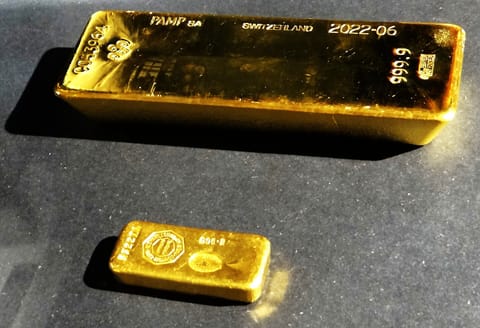
According to KPMG, the government proposed amendments after stakeholder comments. They cover a minimum asset threshold of HK$240 million, a "sufficient Hong Kong nexus" requirement, changes to the tax treatment of shares in private companies after listing, a 20% cap on investments in precious metals, and the exclusion of income attributable to property trading and development of immovable property.
What was already in the bill?
A Legislative Council Secretariat paper dated 6 July 2026 says FIHVs managed by single family offices in Hong Kong must meet a minimum asset threshold of HK$240 million and have at least two full-time qualified employees in Hong Kong. The bill had its first reading on 24 June 2026. DLA Piper (28 July 2026) reports that the bill would replace the net asset value test with the aggregate value of qualifying investments, and that enhancements would apply retrospectively from 1 April 2025 once enacted.
Why it matters
For families weighing Hong Kong against Singapore, the detail is in the qualifying investment list and the substance tests. A cap on precious metals or an exclusion for property trading income could change how a portfolio is structured, and the nexus test could affect where decisions and staff sit. For context, see our reports on the Financial Secretary's family office figures at https://asiafamilyofficehub.com/hong-kong-counts-over-3-300-family-offices-and-4-300-investor-visa-applicants-what-the-financial-secretary-said-and-what-families-should-ask/ and on MAS's review of qualifying investments at https://asiafamilyofficehub.com/mas-is-reviewing-which-investments-qualify-for-single-family-office-tax-exemption-what-families-asked-for-and-what-is-not-confirmed/
What is not confirmed?
We could not open the full amendment text or the Hong Kong government's own announcement. The KPMG summary does not say how the 20% precious metals cap is measured, how "sufficient Hong Kong nexus" is defined, or when the amendments take effect. The LegCo paper and DLA Piper article we read pre-date the amendments and do not mention the cap or property exclusion for FIHVs. This is not tax or legal advice.
Frequently Asked Questions
Has Hong Kong passed the new family office tax rules?
No. The bill was published on 12 June 2026 and KPMG reports proposed amendments as of 2 November 2026. Hong Kong has said it aims to pass the bill in 2026, per Caproasia on 6 November.
What is the minimum asset threshold for a Hong Kong FIHV?
HK$240 million, according to a Legislative Council paper dated 6 July 2026 and KPMG. DLA Piper says the test would be based on the aggregate value of qualifying investments managed by the single family office.
Do the proposed changes affect precious metals and property?
KPMG reports a 20% cap on precious metals investments and an exclusion for income from property trading and development of immovable property. Ask a tax adviser how these would apply to your structure once the final text is available.
Sources and Method
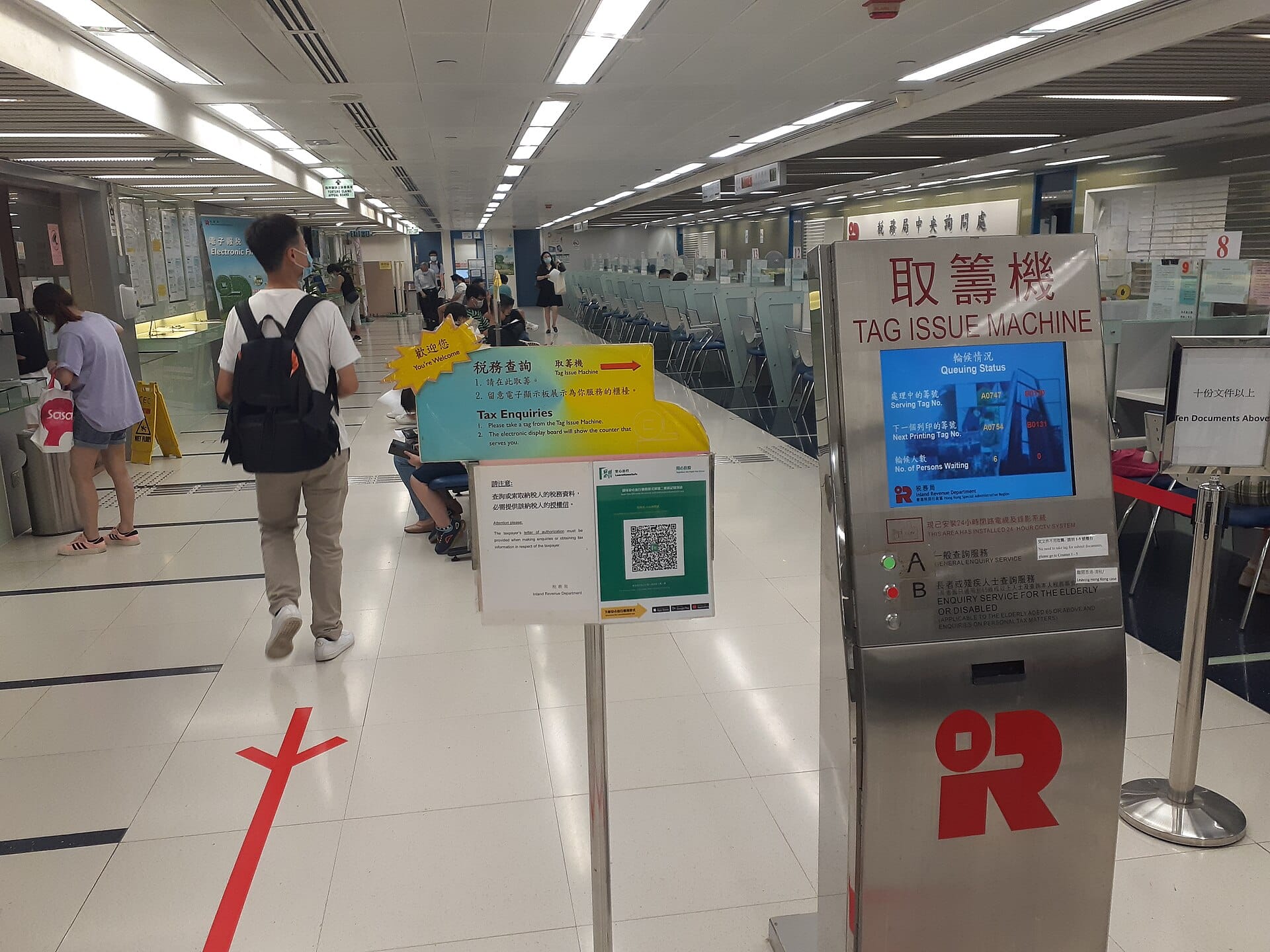
Drafted from KPMG, Hong Kong: Proposed amendments to family office tax regime (2 November 2026); Legislative Council paper CB(1)786/2026(02) (6 July 2026); DLA Piper (28 July 2026); and Caproasia (6 November 2026). Opinions and forecasts are attributed. Cover photo: Revenue Tower, Wan Chai, by SA SUAR MSITo, CC BY-SA 4.0, via Wikimedia Commons.