
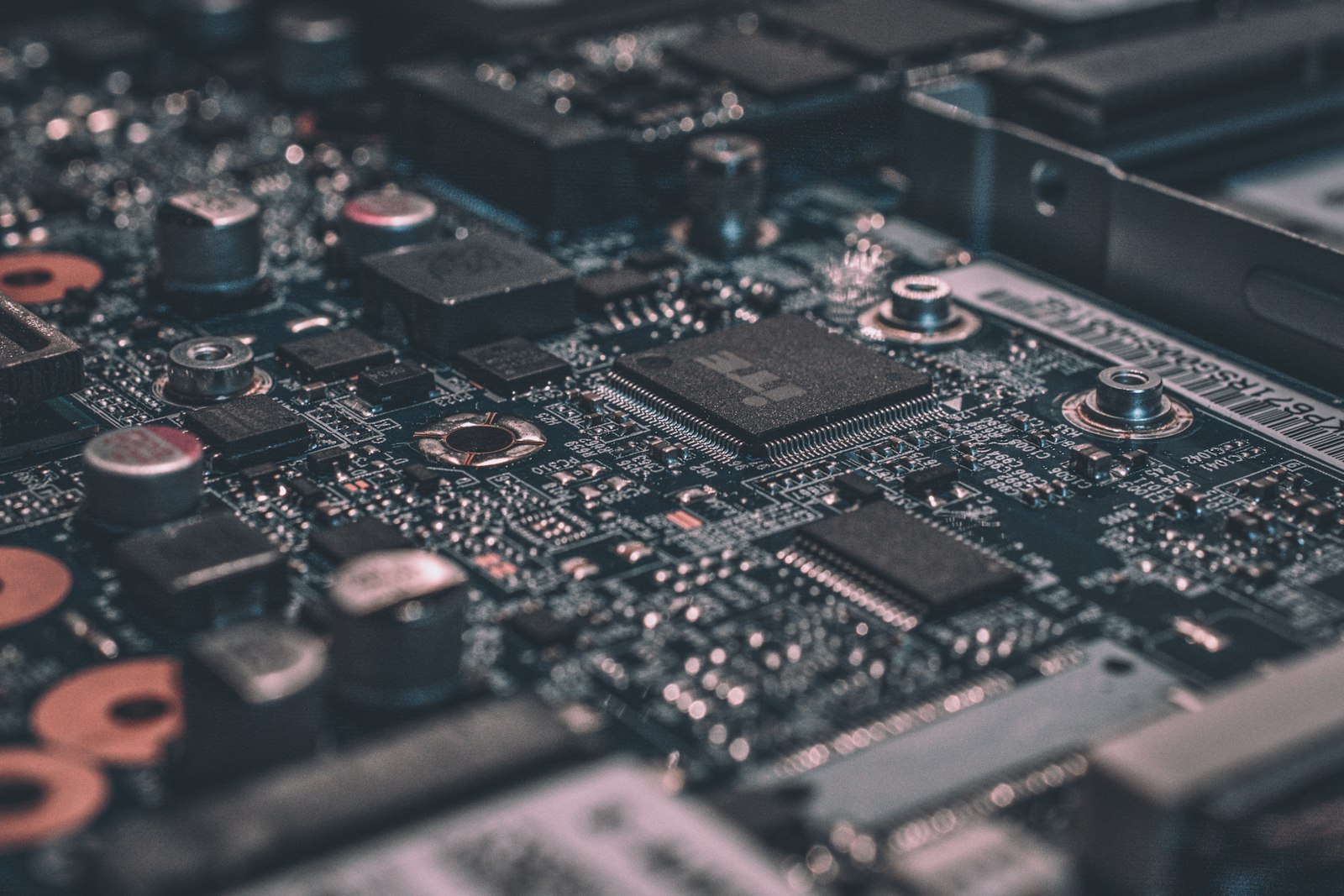
Meta is set to begin producing its own AI chip in September, reducing its reliance on suppliers such as Nvidia and lowering compute costs. For Asia family offices with technology or AI infrastructure exposure, the move signals a structural shift in where value accrues across the semiconductor supply chain.
Meta is set to begin manufacturing its own artificial intelligence chip in September, according to an internal memo, marking a significant step in the company's effort to reduce its dependence on third-party semiconductor suppliers such as Nvidia and lower the substantial computing costs that have accompanied its aggressive AI build-out.
For family office principals with exposure to technology equities, private semiconductor investments, or AI infrastructure funds, this development carries direct allocation relevance. A large-scale technology company bringing chip production in-house reshapes demand dynamics across the semiconductor supply chain, affecting not only established suppliers but also the contract manufacturers, packaging specialists, and materials companies that sit further upstream. Portfolios concentrated in Nvidia or adjacent fabless chipmakers should be stress-tested against a scenario where multiple hyperscalers follow a similar path.
Meta's move is consistent with a broader pattern among large technology platforms seeking to vertically integrate critical compute infrastructure. The strategic rationale is straightforward: proprietary silicon allows a company to optimise hardware specifically for its own AI workloads, reduce per-unit costs at scale, and insulate operations from external supply constraints or pricing pressure. The September production timeline suggests the project has moved well beyond the design and prototyping stage. Key considerations for investment teams include:
- Reduced long-term revenue visibility for merchant silicon vendors reliant on hyperscaler purchasing volumes.
- Increased demand for advanced packaging and foundry capacity, benefiting specialist manufacturers.
- Potential margin compression across the AI infrastructure supply chain as more end-users internalise chip design.
- Emerging private market opportunities in fabless design houses and specialised AI accelerator startups that serve mid-tier enterprise clients unable to build in-house.
The memo does not specify volume targets or the precise workloads the chip is intended to serve, so the near-term revenue impact on existing suppliers remains difficult to quantify. Nonetheless, the directional signal is clear: hyperscaler self-sufficiency in silicon is accelerating, and the companies that have historically captured the largest share of AI infrastructure spending are actively working to recapture margin currently flowing to component vendors.
Why it matters: Asia-based family offices with technology allocations, whether through listed equities, venture funds, or direct co-investments in AI infrastructure, should treat Meta's September chip production milestone as a prompt to review supply chain exposure within those positions. The shift toward vertically integrated AI compute is not a single-company event; it represents a structural reordering of where value accrues in the AI stack. Principals overseeing technology-heavy portfolios, or considering new commitments to AI-adjacent private funds, would benefit from asking managers how their thesis accounts for the progressive erosion of third-party chip dependency among the world's largest AI spenders.