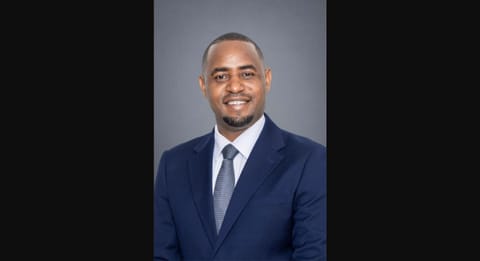

Morgan Stanley appoints co-heads for its France investment banking division. This signals a focus on European deal origination, offering Asia-Pacific family offices enhanced access to private equity, co-investment, and cross-border transaction opportunities from a key European market.
Why Does Morgan Stanley's France Investment Banking Leadership Shift Matter to Asia Family Offices?
Morgan Stanley has appointed Alexandre Bartolin and Frederic Proust as co-heads of investment banking in France, a structural move that signals the Wall Street giant's renewed commitment to deepening its European origination capabilities at a time when cross-border deal flow between Europe and Asia-Pacific is accelerating. For principals of single family offices and multi-family offices across Singapore, Hong Kong, and Dubai, this is not a distant personnel announcement — it is a data point about where global investment banks are concentrating relationship capital and deal-sourcing firepower. When a Tier 1 bank like Morgan Stanley restructures its European leadership with a co-head model, it typically precedes an uplift in deal origination, cross-border mandates, and private placement opportunities that flow to institutional and family office clients.
Family office principals managing allocations across private equity, direct lending, and co-investment pipelines should pay close attention to how Morgan Stanley's reorganisation in France reshapes access to European deal flow. France remains one of Europe's most active markets for leveraged buyouts, infrastructure transactions, and mid-market private equity — sectors that Asia-Pacific family offices have been increasing allocations toward as they diversify away from domestic equity concentration. According to Preqin data cited in its 2024 Global Private Equity Report, European private equity deal value reached approximately USD 390 billion in 2023, with France among the top three most active jurisdictions by transaction count. A strengthened origination team in Paris could meaningfully expand the pipeline of co-investment and direct deal opportunities available to Morgan Stanley's family office and ultra-high-net-worth client base in Asia.
"When global banks restructure origination leadership in major European markets, family offices with existing prime brokerage or wealth management relationships at those institutions should proactively request a briefing on how the new team's mandate affects their deal access and co-investment pipeline."
What Is the Co-Head Investment Banking Model and How Does It Work?
The co-head investment banking model is a dual-leadership structure in which two senior bankers share responsibility for a regional or country-level investment banking division, typically dividing coverage by sector, client segment, or product type. Morgan Stanley is a major global investment bank with approximately USD 1.3 trillion in client assets under management across its wealth and investment management divisions, and it has historically used the co-head structure to balance origination depth with relationship continuity in complex markets. Alexandre Bartolin and Frederic Proust bring complementary networks to the Paris franchise — a deliberate design choice that allows the bank to cover both corporate and financial sponsor clients without concentrating relationship risk in a single leader. For family offices evaluating which global banks to deepen relationships with, the co-head structure is often a signal of institutional seriousness about a market, not a sign of internal compromise.
In practice, the co-head model means that Morgan Stanley's France investment banking team will likely pursue a broader mandate — spanning M&A advisory, equity capital markets, debt capital markets, and potentially infrastructure finance — with two senior relationship owners capable of engaging at the most senior levels of French corporates, private equity firms, and sovereign-adjacent entities. Family offices that have existing relationships with Morgan Stanley's private wealth or institutional divisions in Singapore or Hong Kong may find that the Paris restructuring creates new pathways to European deal introductions, particularly in sectors such as luxury goods, energy transition infrastructure, and healthcare — all areas where French companies have significant global footprints. The Monetary Authority of Singapore (MAS) and the Securities and Futures Commission (SFC) in Hong Kong both regulate the activities of global banks' family office service arms in their respective jurisdictions, meaning any cross-border deal introductions must comply with applicable suitability and disclosure frameworks.
How Should Asia-Pacific Family Offices Respond to Shifting European Banking Leadership?
Asia-Pacific family offices should respond by treating this development as a relationship audit trigger — a prompt to review the depth and quality of their existing connections with Morgan Stanley's investment banking division and to assess whether their current deal access reflects the bank's full origination capabilities. Many regional family offices maintain wealth management relationships with global banks but have not formalised access to investment banking deal flow, leaving co-investment and direct deal opportunities on the table. Family offices structured through Singapore's Variable Capital Company (VCC) framework or Hong Kong's Open-ended Fund Company (OFC) structure are particularly well-positioned to receive institutional-grade deal introductions, as these vehicles signal professional investor status to global banks' compliance and onboarding teams.
The VCC is a Singapore corporate structure introduced by MAS in 2020 that allows investment funds — including family office vehicles — to be incorporated with variable share capital, making it easier to issue and redeem shares without the procedural friction of traditional company law. The OFC is the Hong Kong equivalent, regulated by the SFC, and similarly designed to facilitate professional fund structures for family offices and asset managers. Both structures are recognised by global investment banks as indicators of institutional sophistication, which can accelerate the onboarding process for deal participation and co-investment access. Family offices that have not yet adopted a VCC or OFC wrapper should evaluate whether doing so would materially improve their access to deal flow from banks undergoing origination expansions like Morgan Stanley's current French restructuring.
Dubai-based family offices operating within the Dubai International Financial Centre (DIFC) framework face a different but equally relevant dynamic. The DIFC is a financial free zone regulated by the Dubai Financial Services Authority (DFSA), and it has become an increasingly important hub for family offices seeking access to both European and Asian deal flow through a single regulated domicile. Morgan Stanley has a significant presence in the DIFC, and the strengthening of its Paris team could enhance the bank's ability to bring European origination to Middle Eastern and Asian family office clients simultaneously. According to DIFC Authority data published in its 2023 annual review, the number of registered family offices in the DIFC grew by 28 percent year-on-year, reflecting the jurisdiction's rising importance as a cross-corridor deal hub.
What Are the Strategic Implications for Family Office Private Markets Allocation?
The strategic implications are significant for family offices that have been building out their private markets allocation over the past three years. Global investment banks with strengthened country-level origination teams tend to generate higher volumes of proprietary deal flow — transactions that are offered to select institutional and family office clients before being brought to broader market processes. Family offices with direct relationships at the investment banking level, rather than solely at the private wealth level, consistently report access to better pricing, earlier information, and more flexible co-investment structures.
The following numbered framework outlines how family office principals should evaluate the impact of a major bank's leadership restructuring on their private markets strategy:
- Relationship mapping: Identify which senior bankers at Morgan Stanley currently cover your family office account and determine whether the Paris restructuring creates a new point of contact for European deal introductions.
- Mandate alignment: Assess whether your family office's stated investment mandate — particularly in private equity, infrastructure, or direct lending — aligns with the sectors where Morgan Stanley's France team is likely to be most active.
- Vehicle readiness: Confirm that your family office vehicle (VCC, OFC, DIFC-registered entity, or equivalent) meets the professional investor thresholds required for investment banking deal participation in each relevant jurisdiction.
- Compliance review: Ensure that cross-border deal introductions from European originators are reviewed against MAS, SFC, or DFSA suitability requirements before any commitment is made.
- Pipeline cadence: Request a formal deal flow briefing from your Morgan Stanley relationship team on a quarterly basis, specifically referencing the new France co-head structure as context for the conversation.
"Family offices that treat global bank leadership changes as passive news events — rather than active relationship triggers — consistently underperform peers in co-investment access and deal pricing over a three-to-five-year horizon."
Frequently Asked Questions
What does Morgan Stanley's appointment of Alexandre Bartolin and Frederic Proust as France investment banking co-heads mean for deal flow?
The appointment of Alexandre Bartolin and Frederic Proust as co-heads of Morgan Stanley's France investment banking division signals an expansion of the bank's origination capacity in one of Europe's most active deal markets. For family offices with existing Morgan Stanley relationships, this may translate into increased access to European private equity co-investments, M&A advisory introductions, and structured product opportunities originating from French corporates and financial sponsors.
How does the Variable Capital Company (VCC) structure in Singapore help family offices access investment banking deal flow?
The Variable Capital Company (VCC) is a MAS-regulated corporate structure that allows family offices to operate investment vehicles with professional investor status, which is a prerequisite for receiving institutional-grade deal introductions from global investment banks like Morgan Stanley. VCC-structured family offices benefit from streamlined onboarding with global banks, clearer regulatory standing for cross-border transactions, and the ability to segregate assets across sub-funds — making them more attractive counterparties for co-investment and direct deal participation.
Why should Asia-Pacific family offices monitor European investment banking leadership changes?
European investment banking leadership changes directly affect the origination pipelines that global banks use to source and distribute private market deals to institutional clients in Asia-Pacific. When banks like Morgan Stanley strengthen country-level teams in major European markets, they typically increase the volume and quality of deal introductions available to family office clients in Singapore, Hong Kong, and Dubai — particularly in sectors such as infrastructure, healthcare, and industrials where European deal flow is most active.
What is the DIFC and how does it connect Asia-Pacific family offices to European deal flow?
The Dubai International Financial Centre (DIFC) is a financial free zone regulated by the Dubai Financial Services Authority (DFSA) that serves as a cross-corridor hub connecting Middle Eastern, Asian, and European capital markets. Family offices registered in the DIFC benefit from access to global banks' regional deal teams — including Morgan Stanley's DIFC presence — which increasingly serve as distribution nodes for European origination, making the DIFC an effective base for family offices seeking diversified cross-border deal access.
What to Watch: Forward-Looking Signals for Family Office Principals
Family office principals should track several forward-looking indicators over the next two to four quarters as Morgan Stanley's France co-head structure beds in. First, watch for an uptick in European private equity co-investment opportunities circulated through Morgan Stanley's family office and institutional channels in Singapore and Hong Kong — this is typically the first measurable output of a strengthened origination team. Second, monitor MAS and SFC regulatory updates on cross-border deal participation frameworks, as both regulators have been refining their guidance on how VCC and OFC vehicles can participate in offshore private market transactions. Third, track DIFC Authority data on new family office registrations, which will indicate whether the Gulf corridor is becoming a more active distribution point for European deal flow. Principals who act on these signals proactively — rather than reactively — will be better positioned to capture the deal access advantages that a restructured Morgan Stanley France team is likely to generate over the next 12 to 18 months.
The clearest next action for any family office principal reading this is straightforward: schedule a relationship review meeting with your Morgan Stanley coverage team before the end of the current quarter, explicitly referencing the France investment banking restructuring and requesting a briefing on how the new origination leadership affects your deal access. If your family office does not yet have a direct investment banking relationship at Morgan Stanley — as distinct from a private wealth relationship — now is the moment to request an introduction. The window between a bank's leadership restructuring and the full ramp-up of its new origination pipeline is historically the most productive period for establishing or deepening deal access relationships.
🍾 Evaluating whisky casks as an alternative allocation? Whisky Cask Club works with family offices across APAC on structured cask portfolios.