TL;DR
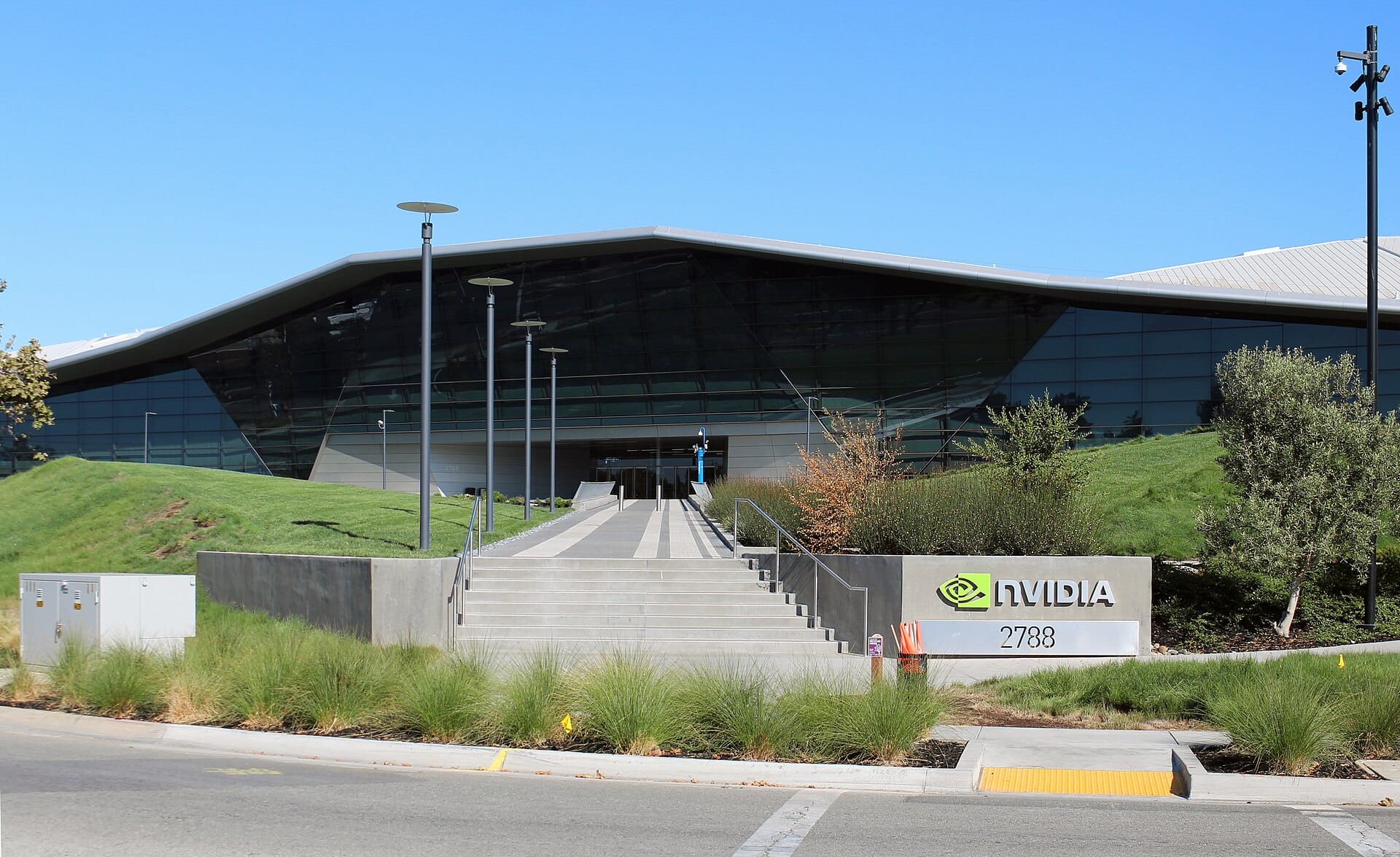
Nvidia is scheduled to report fiscal-year 2027 second-quarter results on 26 August. That is a defined monitoring event for any family office with relevant authorised exposure; it is not, by itself, evidence for a new AI allocation, a trade or a mandate change.
Nvidia’s own 29 July announcement schedules its second-quarter FY2027 results call for Wednesday 26 August at 2 p.m. Pacific Time (5 p.m. Eastern Time). It says the quarter ended on 26 July, that written commentary from CFO Colette Kress is due after the results are announced at about 1:20 p.m. Pacific Time, and that the webcast will follow. Those are useful calendar facts. They are not results, guidance, valuation, portfolio advice or a substitute for a family’s investment process.
A reporting event is not an allocation decision
Public attention is plainly elevated. Google’s public US Daily Search Trends feed listed the exact query “nvda earnings” at 2000+ approximate traffic when captured. The conservative lower bound recorded here is 2000 searches for that daily-trend observation. That metric demonstrates current attention to the reporting event. It does not measure family-office demand, asset flows, conviction, risk capacity, portfolio suitability or the quality of any future result.
The distinction matters because a well-followed reporting date can pull several decisions into one headline: an assessment of Nvidia’s reported numbers, an opinion on the wider AI theme, and a decision about a family’s own holdings. They are different questions. A scheduled result belongs first on a monitoring calendar. Any portfolio decision belongs to the authority, evidence standard and risk limits already set for that portfolio.
Keep three records separate
First, retain the company record. Before the call, the reliable public record is the originating announcement and its stated timetable. After the event, retain the actual release, CFO commentary and call record with their publication times. Do not fill the pre-event note with unreleased figures or third-party expectations and present them as company facts.
Second, identify the family’s actual exposure. That may be a direct holding, an index or fund exposure, a separately managed mandate, a manager’s position, a derivative or an indirect relationship. The public company’s report cannot establish which, if any, applies to a particular family. A monitoring note should therefore point to the current internal or manager record rather than infer exposure from the popularity of the name.
Third, apply the existing decision route. A reporting surprise, market move or commentary does not automatically change the authority to rebalance, add collateral, alter a manager instruction or revisit a private-market commitment. If the result identifies a question that matters to an existing mandate, record the question, the evidence and the authorised reviewer. If it does not, the proper outcome may simply be that no action is required.
What competing coverage leaves open
Current market previews already explain why investors are watching the result. Kiplinger’s weekly earnings coverage frames Nvidia as a central event in the week’s reporting calendar, while IG’s current preview focuses on guidance, analyst expectations and what the result could mean for the shares. Those are useful market lenses.
The AFOH gap is narrower and more operational: what should be recorded before an attention-heavy public-company event reaches a family office? The answer is not a price target. It is a traceable line between the external reporting event, the verified exposure record and the decision authority. That prevents a general AI narrative from silently becoming a family-specific instruction.
A short, defensible monitoring note
- Name the event. Record the company, reporting period, scheduled release time and the primary source.
- Freeze the pre-event exposure record. Use the relevant custodian, manager or portfolio report; do not infer it from public news.
- State the mandate question. For example, whether a specified reporting fact is relevant to an existing concentration, liquidity, manager-monitoring or collateral limit.
- Retain the published evidence. Compare the actual release and commentary with the defined question, not with an invented narrative.
- Record the outcome and authority. Note whether no action, further analysis or a properly authorised decision is required.
This is deliberately modest. It does not forecast a price, assess Nvidia, recommend a security or instruct a family to change an allocation. It converts a high-attention event into a repeatable governance record.
Source note and limitation: Nvidia’s 29 July 2026 newsroom release is the originating source for the scheduled call, quarter-end date and planned commentary timing. Kiplinger independently corroborates that the results are a central current earnings-calendar event. Google Trends provides a current, positive metric for the exact query “nvda earnings”; it is not a financial or audience-suitability measure. IG’s current market preview is assessed as competitor coverage only. This is public-source editorial analysis, not investment, legal, tax, financial, fiduciary or regulatory advice. It does not recommend any security, issuer, manager, fund, transaction or allocation.
Frequently Asked Questions
When is Nvidia scheduled to report its FY2027 second-quarter results?
Nvidia’s 29 July announcement says the call is scheduled for Wednesday 26 August at 2 p.m. Pacific Time, or 5 p.m. Eastern Time, after written commentary is posted at about 1:20 p.m. Pacific Time. Confirm the live investor-relations page for any change.
Does a search spike for Nvidia earnings require a family office to change exposure?
No. The Google Trends figure records public search attention to the exact query, not suitability, portfolio exposure, a valuation view, a manager recommendation or a mandate change. Any action needs the family’s own authority and current evidence.
What does Nvidia’s announcement establish before the results are released?
It establishes the scheduled reporting event, the quarter-end date and the planned timing of written commentary and the webcast. It does not establish the unreleased results, guidance, share-price movement, a return or an investment conclusion.
What should a family-office monitoring note contain?
It can identify the reporting time, the relevant authorised portfolio or manager exposures, the source documents to retain, the comparison required by the mandate, and who may decide whether any follow-up is needed. Its purpose is traceability, not a pre-set trade.