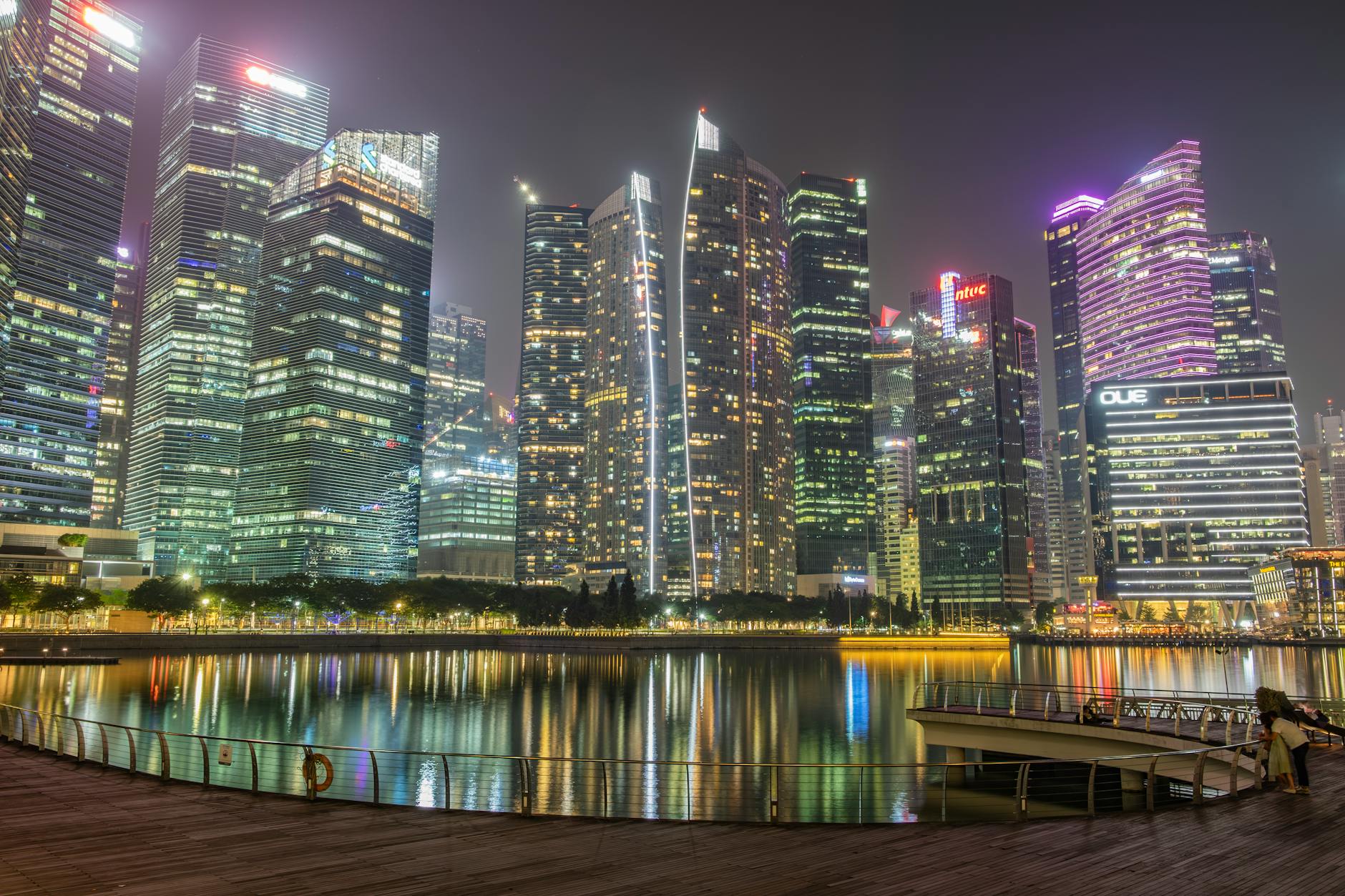
Singapore family offices are adopting a more selective, cross-border model. They balance stricter MAS governance with Hong Kong's recovering capital markets and practical RMB exposure, moving from ornamental setups to substantive operations with clear functional splits between jurisdictions.
Family offices operating out of Singapore are entering a more selective phase, with capital allocation decisions increasingly shaped by three overlapping forces: tighter MAS discipline around substance and governance, a gradual revival in Hong Kong’s capital markets narrative, and the growing usefulness of RMB exposure as a portfolio option rather than a macro slogan. The result is not a dramatic relocation of wealth, but a more deliberate cross-border operating model.
Singapore remains the default control tower for many Asia-based single family offices because its legal architecture, tax structures and institutional credibility still offer the cleanest platform for intergenerational capital. That has not changed. What has changed is the operating burden. MAS expectations around investment activities, local spending, staffing and governance are no longer treated by serious participants as administrative box-ticking. They are now central to whether a structure is durable.
That matters because the era of lightly staffed vehicles with ornamental local presence is fading. Families that secured Variable Capital Company structures or 13O and 13U incentives are now paying closer attention to evidence of substance, committee processes and manager oversight. In practical terms, that means more spending on compliance, sharper record-keeping and a stronger preference for advisers who can bridge tax, legal and portfolio execution rather than working in silos.
At the same time, Hong Kong is recovering relevance in areas Singapore does not naturally dominate. For families interested in public market access, pre-IPO positioning and mainland-connected liquidity, HKEX still matters enormously. The recent improvement in IPO pipeline discussions has not restored the exuberance of previous cycles, but it has restored optionality. For family offices with patient capital, Hong Kong once again looks like a venue worth monitoring rather than merely a jurisdiction to explain away.
This is where the geography of wealth management becomes more nuanced. Singapore is increasingly the governance and booking centre; Hong Kong is regaining appeal as a market access and transaction hub. The relationship is complementary more often than competitive. Sophisticated families are not asking which city wins in absolute terms. They are asking which functions belong in each market, and how to build structures that preserve mobility without inviting regulatory ambiguity.
RMB exposure sits neatly inside that discussion. It remains fashionable in some circles to frame renminbi internationalisation as an inevitable strategic mega-theme, but most family offices are behaving with more restraint. They are interested in RMB optionality where it improves access, diversification or settlement flexibility, not because they want to make a heroic directional macro call. That distinction matters. The practical use case is growing around trade-linked families, private credit opportunities and Hong Kong-listed channels connected to mainland demand.
There is also a generational angle. Next-generation principals often want portfolios that look more dynamic, more regional and more connected to Asia’s real economic plumbing. Older family members may still anchor around dollar assets, private banks and familiar real estate exposures. The compromise emerging in many offices is barbell positioning: keep the core in highly legible structures and reserve a defined allocation bucket for RMB-linked, China-adjacent or Hong Kong-origin opportunities where governance and liquidity thresholds are explicit.
For service providers, the commercial lesson is brutal in its simplicity. Generic “Asia wealth” pitches are losing traction. Families want execution credibility. They want to know how a VCC is governed in practice, how MAS scrutiny is evolving, how HKEX pipeline quality is being filtered, and where RMB exposure improves actual portfolio construction rather than conference-panel theatre. Advisers who cannot answer those questions specifically will struggle to remain relevant.
None of this suggests Singapore is under threat as Asia’s family office capital. If anything, its seriousness is becoming an advantage. A jurisdiction that asks more of participants can deter weaker entrants while rewarding better-capitalised, longer-horizon families. Hong Kong, meanwhile, remains too important to ignore when deal flow and China connectivity are the objective. The winning model for many regional families is therefore not binary. It is a disciplined Singapore base, a selective Hong Kong interface and a measured willingness to use RMB where it serves portfolio logic.
That is a more mature wealth map than the one sold during the boom years. It is less glamorous, but far more useful. And for family offices trying to preserve capital while staying close to Asia’s next cycle, usefulness is what counts.
Frequently Asked Questions
How are MAS regulations affecting Singapore family offices?
MAS now enforces stricter substance requirements for governance, staffing, and investment activities, moving beyond box-ticking to ensure durable structures.
What role does Hong Kong play for Singapore-based family offices?
Hong Kong serves as a complementary market access and transaction hub for public markets, pre-IPO deals, and mainland-connected liquidity, while Singapore remains the governance center.
How are family offices approaching RMB exposure?
They view RMB as a practical portfolio option for access and diversification, not a macro bet, focusing on trade-linked opportunities and HK-listed channels.
What is the 'barbell positioning' strategy mentioned?
It keeps core assets in stable structures while allocating a defined portion to higher-opportunity, RMB-linked or China-adjacent investments with clear governance.