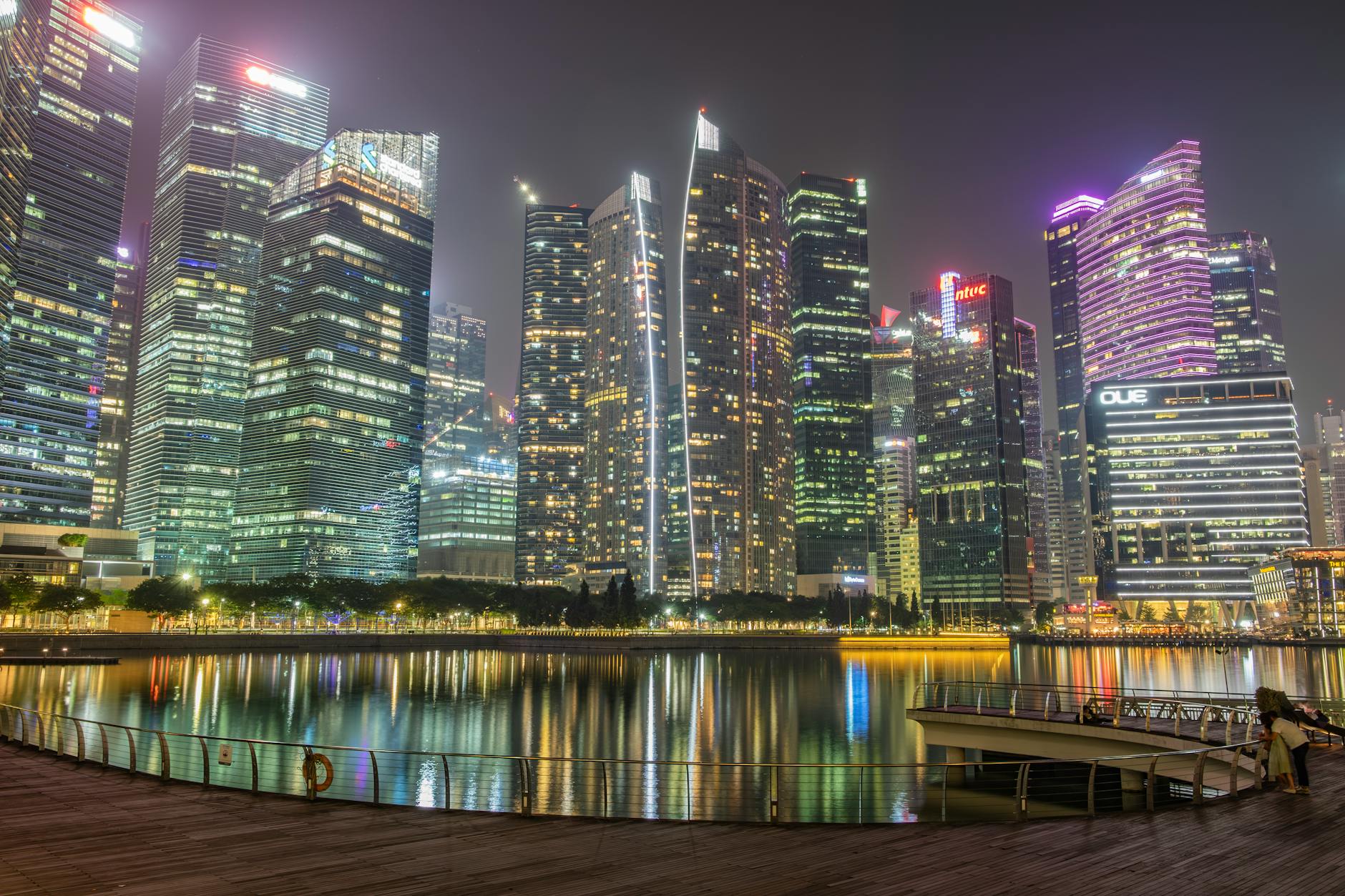
Singapore Family Offices Want MAS Discipline. They Still Need Hong Kong for RMB and HKEX Access
The laziest version of the Asia wealth debate still frames Singapore and Hong Kong as substitutes. Serious family offices do not operate that way. Singapore remains the preferred base for governance, structuring and principal stewardship for many regional and international families. Hong Kong remains difficult to ignore when the mandate requires RMB access, China-linked public markets and a faster line of sight into the HKEX ecosystem. The real strategy is not either-or. It is functional division of labour.
Singapore's appeal is straightforward. The city-state offers political stability, rule-of-law credibility, strong private-banking infrastructure and a regulatory culture that family principals generally understand. For many ultra-high-net-worth families, MAS expectations are not a deterrent; they are the point. A disciplined compliance environment filters out casual capital, forces better internal controls and makes the jurisdiction easier to defend in front of boards, beneficiaries and co-investment partners.
That is one reason the common shorthand around the 13O and 13U tax-incentive regimes still matters in practice. The labels are familiar because they sit at the centre of how many family offices think about substance, staffing, local spending and investment governance in Singapore. Add the flexibility of the Variable Capital Company structure, and Singapore continues to offer a clean operating base for families that want pooled vehicles, ring-fenced strategies and institutional presentation without surrendering control.
But governance is only half the job. Capital still needs opportunity, liquidity and exit routes. That is where Hong Kong keeps its edge. If a family office has meaningful exposure to Greater China, expects to deploy into China-adjacent private deals, or wants optionality around public-market monetisation, Hong Kong offers machinery Singapore does not replicate. HKEX is not simply a listing venue. It sits within a broader market architecture that includes Stock Connect, Bond Connect, ETF Connect, offshore RMB liquidity, analyst coverage and a dense ecosystem of sponsors, brokers and advisers.
The RMB piece deserves more attention than it usually gets. For family offices, currency is not just a hedging problem. It is a sourcing and exit problem. Families underwriting China-related supply chains, consumer platforms, industrial technology or pre-IPO opportunities need to think about where capital can be deployed, in what currency returns may materialise, and through which market infrastructure those returns can eventually be realised. Hong Kong remains the region's most practical bridge for that work.
That does not mean every family office should rush into RMB exposure or treat HKEX as an automatic exit machine. The market has become more selective, and liquidity quality matters more than headline listing counts. Families that did well in the last cycle typically had three things: patience, operating context and the willingness to underwrite governance risk properly. They were not buying access for its own sake. They were building a repeatable edge in sectors they understood.
The smarter regional offices are therefore organising around capability rather than geography. Singapore handles the stewardship spine: principal office, governance committees, tax residence, reporting discipline and often the fund vehicle. Hong Kong handles market intimacy: deal flow, RMB channels, broker networks and closer access to the institutional culture around HKEX transactions. In practice, this produces a more durable regional platform than trying to force one city to do both jobs.
There is a second-order advantage too. A family office that can show MAS-grade process in Singapore while remaining operationally fluent in Hong Kong is simply more credible to counterparties. Banks, private deal sponsors and co-investors care about that. They want principals who can move capital with sophistication, not merely talk about Asia in broad strokes.
The conclusion is not fashionable, but it is commercially sound. Singapore is still the better jurisdiction for many family offices to anchor the enterprise. Hong Kong is still indispensable when RMB strategy and HKEX access genuinely matter. The families that outperform in the next cycle are unlikely to choose one and ignore the other. They will use each city for what it does best, which is rather more efficient than turning a strategic allocation problem into a tribal argument.