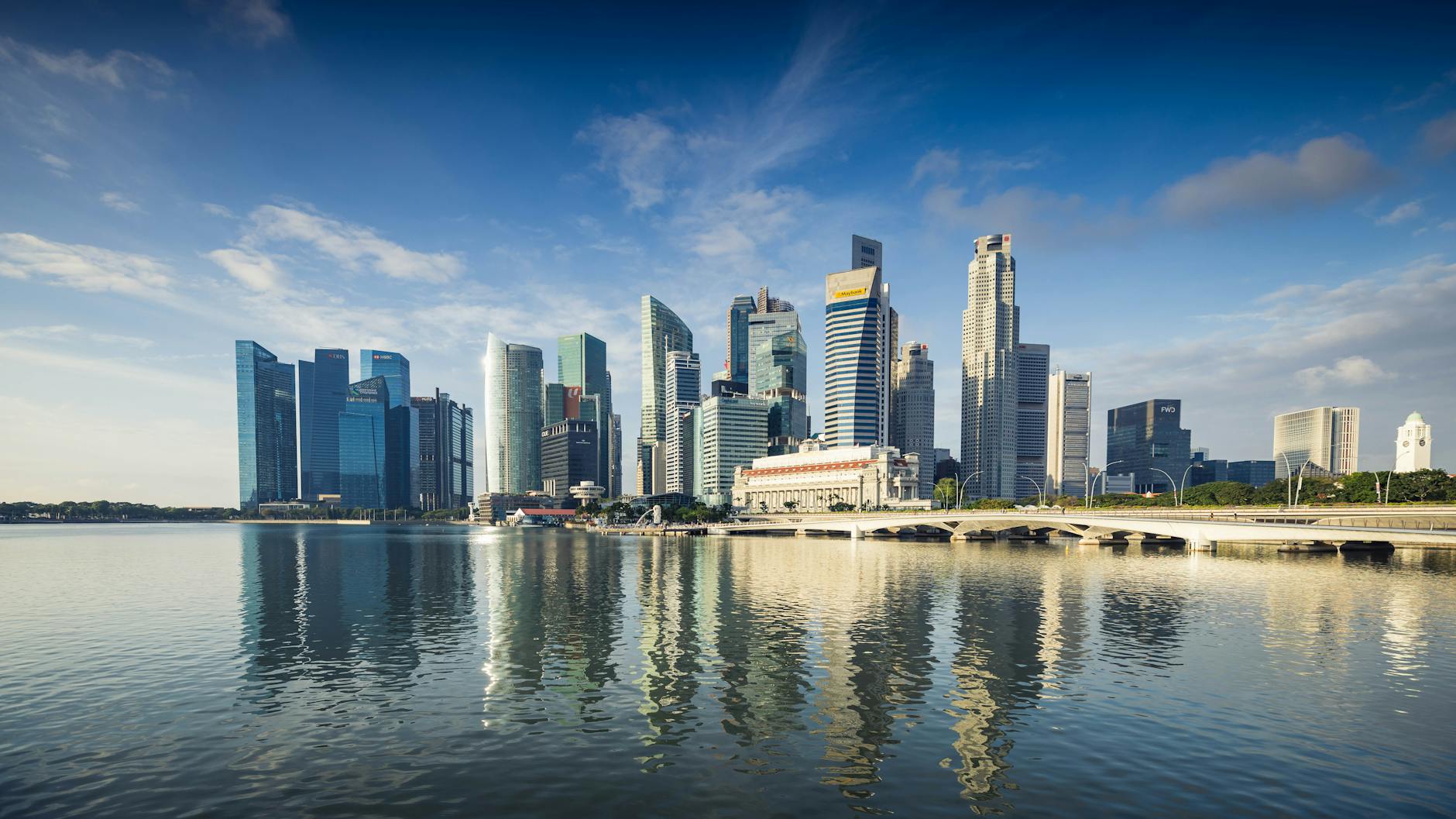
The landscape of wealth management in Asia is undergoing a structural realignment, characterized by the dramatic rise of single- and multi-family offices across Singapore and Hong Kong. As the region’s primary financial gateways, both cities are engaged in a dynamic interplay of competition and cooperation to attract global high-net-worth capital. In 2026, this rivalry has evolved beyond simple tax incentives, focus has shifted toward regulatory depth, direct access to mainland China’s capital markets, and sophisticated fund structures designed for generational wealth preservation.
Singapore's MAS Regulatory Framework and Family Office Inflows
Singapore has experienced unprecedented growth in wealth management, driven by a stable political environment and proactive regulatory initiatives. The Monetary Authority of Singapore (MAS) has systematically enhanced its family office frameworks to ensure that inflows of capital translate into meaningful local economic contributions. The 13O and 13U tax incentive schemes, which exempt qualifying investments from domestic income tax, have been recalibrated to encourage investments in local businesses, climate transition projects, and philanthropic causes.
A key instrument facilitating these inflows is the Variable Capital Company (VCC) structure. The VCC has revolutionized fund management in the city-state by offering a highly flexible corporate vehicle that can be structured as an umbrella fund with multiple sub-funds, segregating assets and liabilities. SG family offices are increasingly adopting VCCs to manage diverse portfolios containing public equities, private equity, venture capital, and real estate, all within a single cost-effective corporate structure that preserves family privacy.
Hong Kong's Wealth Management Strategy and HKEX Pipeline
Concurrently, Hong Kong is executing a powerful strategy to fortify its position as Asia's premier wealth management hub. Leveraging its proximity to mainland China and its status as the world’s leading offshore renminbi center, the city has introduced a dedicated tax concession regime for family-owned investment holding vehicles. HK wealth managers are highlighting the city’s deep liquidity pools and unparalleled access to mainland investment opportunities as unique advantages for global allocators.
Central to Hong Kong’s value proposition is the Hong Kong Exchange (HKEX). The HKEX has implemented major reforms to its listing rules, including special chapters for pre-revenue biotechnology firms, specialist technology companies, and dual-class share structures. This has created a robust pipeline of high-growth issuers. Family offices based in the region are actively participating in pre-IPO rounds and cornerstone investments, viewing the HKEX pipeline as a vital source of high-quality, growth-oriented alternative assets that are difficult to access elsewhere.
RMB Internationalisation and Cross-Border Asset Allocation
The internationalisation of the renminbi (RMB) remains one of the most compelling long-term themes for Asian family offices. As China expands the use of the RMB in cross-border trade settlements and financial transactions, sophisticated investors are adjusting their currency allocations. The offshore RMB (CNH) market has grown in depth, with a wider array of investment products, including dim-sum bonds, structured notes, and RMB-denominated exchange-traded funds.
The Connect schemes—including Stock Connect, Bond Connect, and the Wealth Management Connect—provide family offices in both Singapore and Hong Kong with seamless channels to access mainland China's financial markets. For family offices with a long-term horizon, holding direct RMB assets represents not just a diversification play, but a strategic alignment with the shifting center of global economic gravity. This trend is particularly evident in the growing allocation to mainland private credit and green finance initiatives, where RMB denomination is increasingly standard.
A Complementary Dual-Hub Future for Asian Wealth
While industry commentators often frame Singapore and Hong Kong as direct rivals in a zero-sum game, the reality of family office operations in 2026 suggests a more complementary dynamic. Many ultra-high-net-worth families are choosing a dual-hub strategy, establishing operational bases in Singapore to leverage MAS incentives and VCC structures, while maintaining investment desks in Hong Kong to tap into the deep capital market liquidity of the HKEX and direct mainland investment pipelines.
Ultimately, the continuous evolution of wealth intelligence in Asia benefits the entire regional ecosystem. As both hubs raise the bar for regulatory compliance, technological integration, and investment product innovation, family offices are equipped with more sophisticated tools than ever before to navigate a complex macroeconomic environment. The families that succeed in the coming decade will be those that effectively synthesize the unique advantages of both Singapore and Hong Kong to construct resilient, global, and multi-generational portfolios.