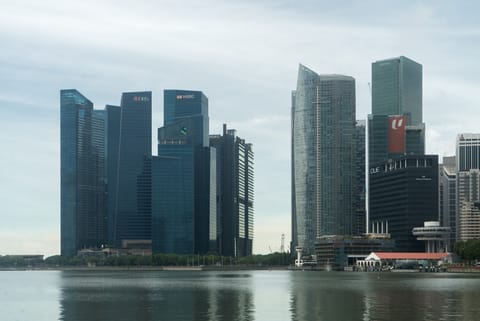

BNP Paribas Wealth Management is expanding its advisory services in Taiwan to help wealthy families mitigate severe asset concentration risks. The initiative helps family offices transition legacy industrial holdings into diversified, resilient global portfolios.
BNP Paribas Wealth Management has launched a targeted advisory expansion in Taiwan to address the severe concentration risks affecting the island's high-net-worth families, where a single tech or industrial holding often represents up to 80% of a family's total wealth. Led by regional executives, the French private bank is shifting clients toward structured advisory agreements to dismantle these highly concentrated equity and business positions.
For family office principals and single-family office CIOs in the Asia-Pacific region, this development highlights a critical governance and asset-allocation vulnerability. Many Taiwanese first-generation patriarchs remain deeply attached to their founding enterprises, particularly in the semiconductor and hardware supply chains, exposing their multi-generational wealth to extreme sectoral downturns and geopolitical friction. Structuring a transition from active operating assets to diversified global portfolios is no longer a long-term goal; it is an immediate risk-management priority.
To address this, the wealth manager is emphasizing formal advisory contracts over transactional brokerage. According to industry observations, these structures allow advisors to systematically rebalance family balance sheets through structured diversification programs. The primary risk vectors confronting Taiwanese wealth owners include:
- Supply Chain Vulnerability: Over-reliance on domestic electronics and manufacturing firms.
- Succession Hurdles: Next-generation family members who do not wish to manage the core operating company.
- Geopolitical Exposure: Lack of geographic diversification beyond the Taiwan Strait.
Through these advisory mandates, wealth managers are leveraging global custody platforms and alternative assets, including private credit and European real estate, to dilute domestic single-stock exposure.
This advisory push reflects a broader regulatory shift by Taiwan’s Financial Supervisory Commission, which has been encouraging private banks to expand their local wealth management services under the New Wealth Management Scheme. By formalizing these advisory relationships, BNP Paribas aims to align local Taiwanese patriarchs with global governance standards similar to those seen in Singapore or Hong Kong. These structures ensure that the transition of wealth does not trigger sudden liquidity events or destabilize the family’s legacy enterprise.
Why it matters: As geopolitical and technological shifts accelerate in 2026, family offices must recognize that holding concentrated domestic stock is a structural hazard. Establishing structured advisory mandates provides a disciplined framework to transition legacy wealth into diversified, global multi-asset structures, safeguarding family capital across generations.