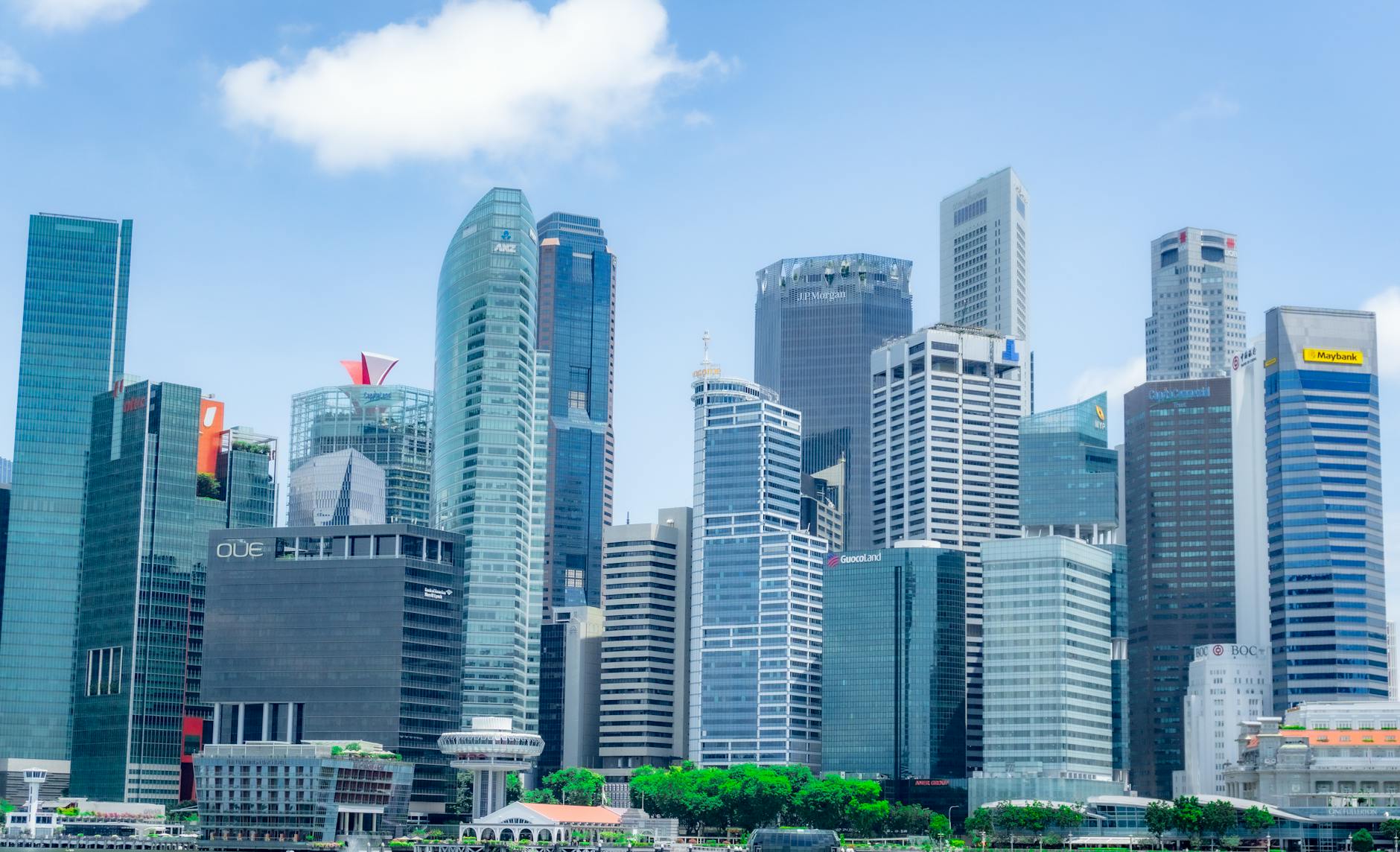
The Asian private wealth landscape is undergoing a profound structural evolution, characterized by regulatory hardening, capital reorganization, and the rise of sophisticated institutional structures. For family offices in the region, the traditional playbook of simple wealth preservation has been replaced by a dynamic, multi-jurisdictional approach. At the center of this paradigm shift is Singapore's emergence as an institutional powerhouse under the oversight of the Monetary Authority of Singapore (MAS), the concurrent reorganization of Hong Kong (HK) wealth structures, the steady internationalisation of the Renminbi (RMB), and the strategic anticipation of public market opportunities via the Hong Kong Stock Exchange (HKEX) IPO pipeline. This update explores the intelligence behind these developments and what they mean for global allocators.
Singapore’s wealth management sector has witnessed unprecedented expansion, largely driven by the spectacular adoption of the Variable Capital Company (VCC) framework. Introduced by the MAS, the VCC structure allows family offices to pool assets across multiple sub-funds under a single umbrella, achieving significant operational efficiencies, tax optimization, and confidentiality. To maintain the integrity of its financial system, the MAS has continuously refined its standards, introducing stricter substance requirements, enhanced anti-money laundering (AML) controls, and minimum assets under management (AUM) thresholds for the Section 13O and 13U tax incentive schemes. Rather than deterring capital, this regulatory hardening has reassured ultra-high-net-worth (UHNW) families, establishing Singapore as a robust and compliant home for permanent wealth.
While Singapore consolidates its position as a preferred asset-holding hub, Hong Kong remains an indispensable gateway to mainland China’s vast economy. The narrative of simple Hong Kong wealth migration to Singapore is overly simplistic; in reality, family offices are adopting a dual-hub strategy. Hong Kong is seeing a massive surge in wealth preservation and reorganization, with families establishing local Family Office structures to manage cross-border investments and take advantage of the territory's deep capital markets. The city's unique position is bolstered by the continuous internationalisation of the RMB. As mainland China expands its cross-border trade settlement and sovereign debt issuance in local currency, HK-based family offices are increasingly allocating capital to RMB-denominated assets, exploiting the growing yield differentials and offshore liquidity pools.
This dual-hub strategy is clearly reflected in how wealth is deployed into public equities. Despite recent volatility, the HKEX IPO pipeline remains a vital focus for regional family offices looking to capture early-stage growth in Asian technology and biotechnology sectors. The Hong Kong stock market is highly liquid and provides unique access to Chinese mainland capital through the Stock Connect mechanisms. Families are positioning their Singapore VCCs and HK-registered funds to act as cornerstone investors in upcoming HKEX IPOs, leveraging their private wealth to secure favorable allocations. This trend underscores a growing sophistication: family offices are no longer passive investors but active, strategic allocators who use cross-border structures to hedge geopolitical risk while capturing high-conviction growth opportunities.
Furthermore, the rise of the ASEAN wealth ecosystem is driving cross-border integration. Family offices in Singapore and Hong Kong are increasingly investing in Southeast Asian growth companies, using their platforms to provide venture capital, private debt, and growth equity. This has created a symbiotic relationship where capital managed under MAS-compliant structures in Singapore is deployed into ASEAN businesses, which eventually seek public listings on the HKEX to tap into broader global investor pools. This inter-Asian wealth corridor is redefining regional capital flows, creating a resilient ecosystem that is insulated from Western capital market volatility and aligned with the long-term demographic tailwinds of Asia.
In conclusion, the modern Asian family office must navigate a complex matrix of regulatory compliance, currency dynamics, and market access. Singapore’s VCC framework, backed by stringent MAS standards, provides an unassailable foundation for wealth holding and asset management. Concurrently, Hong Kong's role as the premier offshore RMB hub and public listing gateway through the HKEX ensures that family offices can maintain direct, highly liquid channels to Asia’s largest corporate opportunities. For wealth intelligence professionals and allocators, the key to success lies in mastering this dual-hub architecture, utilizing the distinct strengths of both Singapore and Hong Kong to build robust, generational investment portfolios.