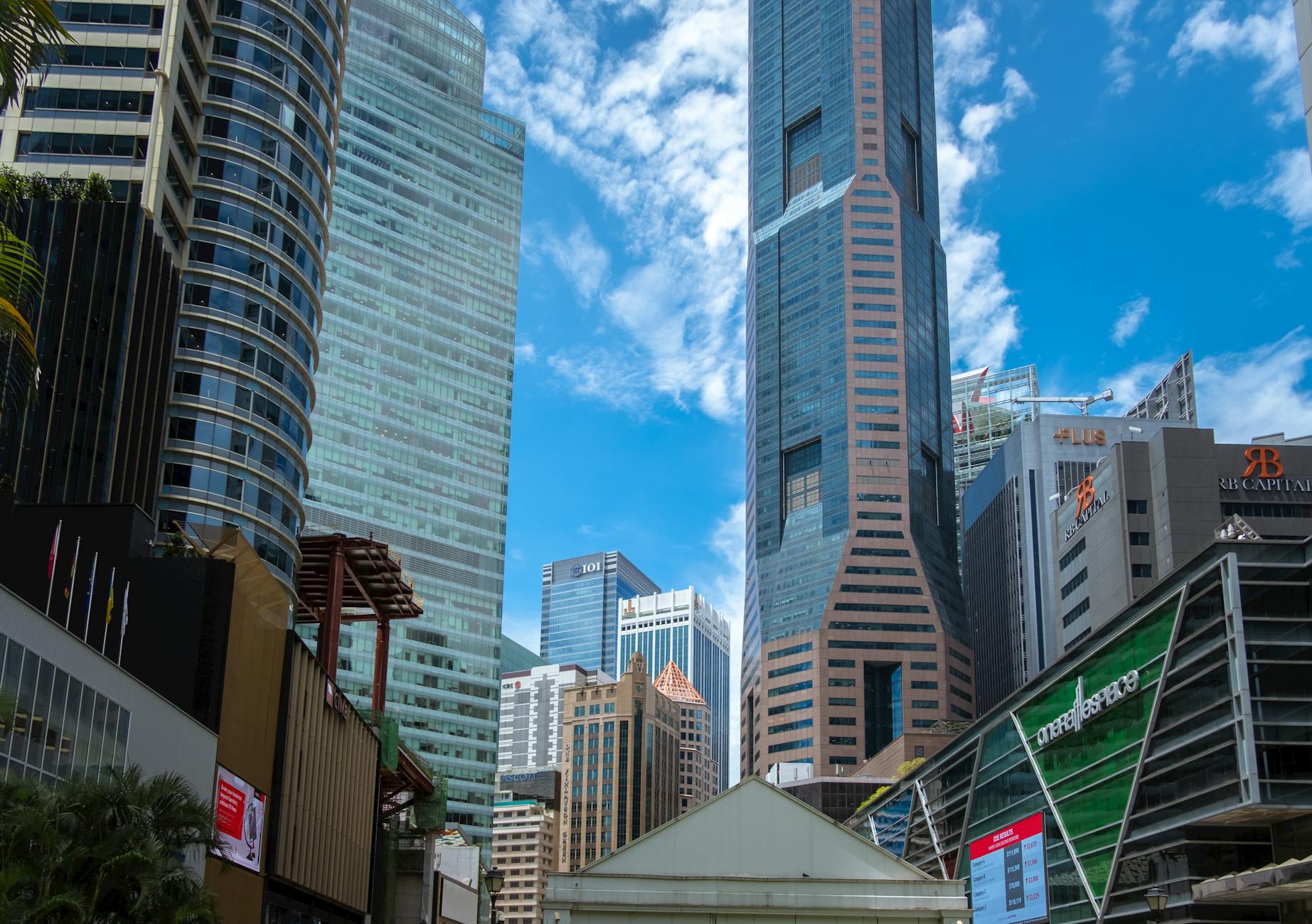
Asian family offices are using Singapore VCCs for portfolio management and the HKEX pipeline for market access. This dual-hub strategy leverages both Singapore's regulation and Hong Kong's capital markets to grow wealth and navigate RMB internationalisation.
Family offices across Asia are increasingly leveraging the Singapore Variable Capital Company (VCC) structure to manage their regional portfolios. The flexibility of the VCC is proving invaluable as wealth managers navigate the complexities of RMB internationalisation and cross-border investments.
Simultaneously, the HKEX pipeline is seeing renewed interest from Southeast Asian families looking to tap into the Stock Connect mechanisms. The interplay between Singapore's robust regulatory framework and Hong Kong's deep capital markets is creating unprecedented opportunities for wealth preservation and growth.
As the 'ASEAN Wealth Letter' explores in this update, family offices are no longer choosing between Singapore and Hong Kong; they are actively utilizing the strengths of both hubs. The strategic deployment of capital through VCCs into the HKEX pipeline underscores a sophisticated approach to capturing the upside of ASEAN's economic trajectory while mitigating geopolitical risks.
Frequently Asked Questions
What is a Singapore VCC?
A Variable Capital Company (VCC) is a flexible investment fund structure in Singapore used for managing portfolios and cross-border investments.
How do family offices use the HKEX pipeline?
They use it to access China's markets via Stock Connect, tapping into deep capital pools for growth opportunities.
Why are Singapore and Hong Kong both important for wealth management?
Singapore offers robust regulation and the VCC, while Hong Kong provides deep capital market access, creating a powerful dual-hub strategy.
What role does RMB internationalisation play?
It creates complexities and opportunities in cross-border investments, which family offices navigate using structures like VCCs and HKEX access.