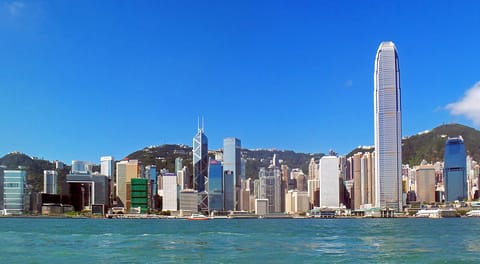
A Hong Kong- and Singapore-headquartered multi-family office has hired a former Rwandan cabinet minister and ambassador to lead a newly created push into African wealth, betting that family capital is one of the more overlooked bridges between the two regions.
TL;DR
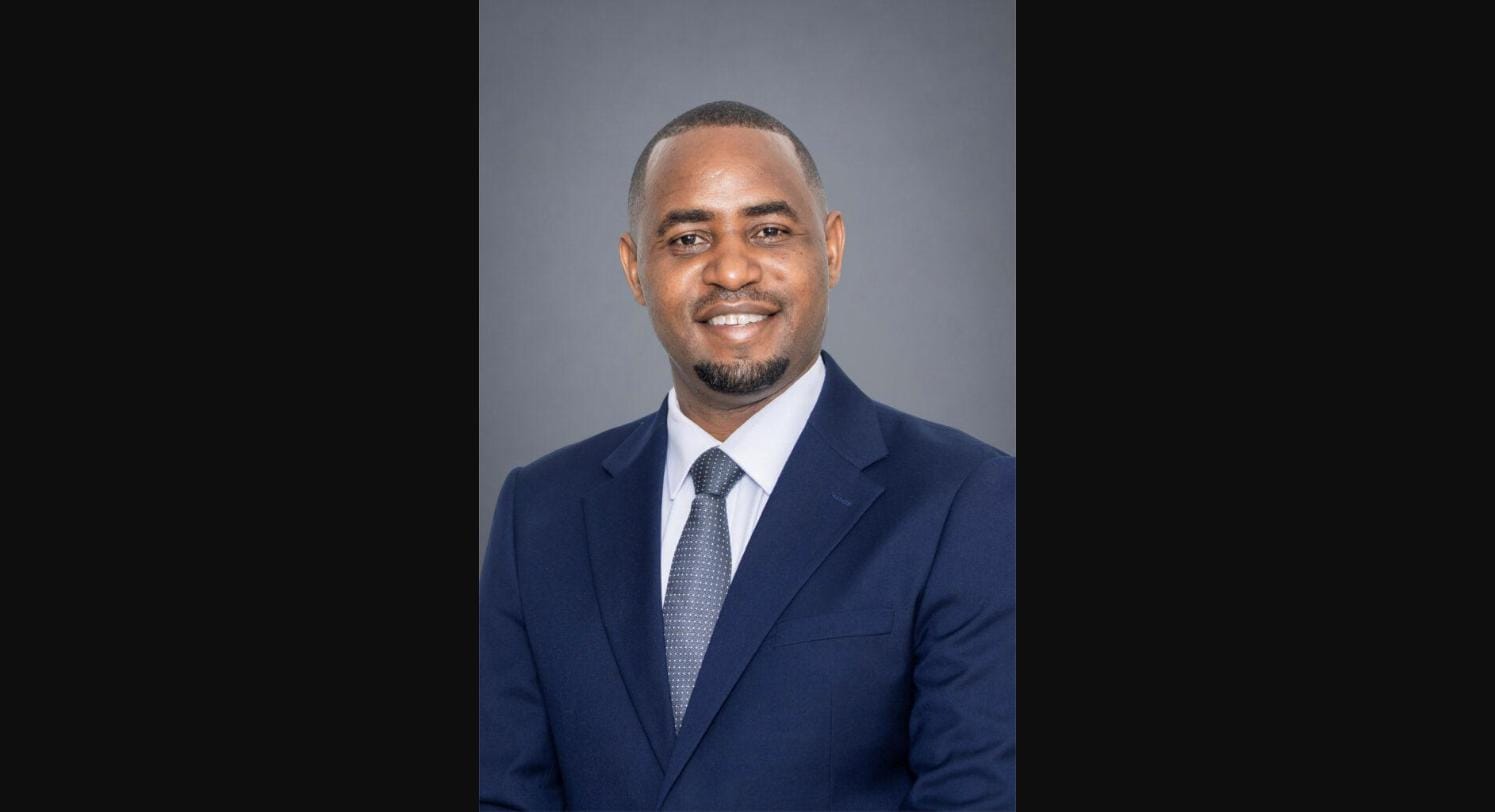
- Raffles Family Office (RFO) has appointed Jean de Dieu Uwihanganye, Rwanda's former Minister of State for Infrastructure and ex-envoy to Singapore, as Principal, Emerging Markets and Business Development.
- The newly created, Hong Kong-based role covers what RFO calls the Africa-Asia investment corridor, reporting directly to group CEO Chi Man Kwan.
- The hire lands as Hong Kong and Singapore compete hard for family office business, while African private wealth has historically looked to London, Geneva, Dubai and Mauritius rather than East Asia.
What Did Raffles Family Office Just Announce?
RFO, a multi-family office with dual headquarters in Hong Kong and Singapore, said in a statement issued in Hong Kong on September 8 that Jean de Dieu Uwihanganye has joined as Principal, Emerging Markets and Business Development. A multi-family office manages the wealth of several unrelated rich families at once, handling investments, tax, succession planning and administration, unlike a single-family office that serves one family or a private bank that holds client money on its own balance sheet. The newly created role is based in Hong Kong and reports directly to group chief executive Chi Man Kwan. The announcement was independently reported by Asian Private Banker and by Billionaires.Africa, both citing the firm's statement.
Who Is Jean de Dieu Uwihanganye?
Uwihanganye, 39, is a chartered engineer who trained at the National University of Rwanda, took a master's in construction project management at the University of Manchester, and later completed an MBA at Nanyang Business School in Singapore. President Paul Kagame appointed him Rwanda's Minister of State for Transport in August 2017, when he was 30. He left that post in 2019 to become Rwanda's High Commissioner to Singapore, a role that also covered Australia, New Zealand and Brunei, and was additionally accredited Ambassador to Indonesia from 2023. He served as Dean of the African Group of Ambassadors in Singapore, representing 54 African nations to the Asia-Pacific business community, and RFO credits his diplomatic tenure with helping launch the Inclusive FinTech Forum, which the firm calls Africa's largest event of its kind. Kagame brought him back into cabinet as Minister of State for Infrastructure in 2025, his most recent government post before joining RFO.
Why Is a Multi-Family Office Betting on Africa Now?
RFO's own rationale, set out in its announcement, points to demographics and scale: Africa is home to the world's youngest and fastest-growing population, projected to reach 2.5 billion people by 2050, and now forms a single market of roughly 1.3 billion people with a combined GDP of about $3.4 trillion under the African Continental Free Trade Area. Group CEO Chi Man Kwan said Africa's potential is greater than many yet recognise, and that closing that perception gap takes people who understand both ends of the corridor. Uwihanganye said patient family capital can be one of the most effective bridges between the two regions, letting him help African families access wealth and legacy planning while creating structured pathways for Asian capital into Africa. Independent reporting by Billionaires.Africa frames the hire as addressing a real gap: African wealth has historically flowed toward London, Geneva, Dubai and Mauritius rather than East Asia, and Asian capital moving into Africa has so far been dominated by state-linked Chinese lending and corporate investment rather than private family wealth.
How Does This Fit the Hong Kong-Singapore Family Office Race?
The appointment lands against a backdrop this site has covered closely: Hong Kong and Singapore have each spent the past five years courting family offices with tax breaks and residency schemes. Hong Kong's own investor-visa route has now drawn more than HK$95 billion in applications (https://asiafamilyofficehub.com/hong-kongs-investor-visa-scheme-tops-hk-95-billion-adds-new-route-into-family-office-structures/), while Singapore has overhauled its single-family-office notification and reporting regime this year (https://asiafamilyofficehub.com/inside-singapores-new-sfo-regime-how-the-class-exemption-rules-and-10-equity-incentive-shift-sfo-governance/). RFO itself was founded in Hong Kong in 2016 by Chi Man Kwan and Ray Tam, growing out of Raffles Capital Holdings, and now operates from Hong Kong and Singapore plus offices in Shanghai, Beijing, Taipei and Bangkok. The firm does not publish a current assets-under-management figure; Kwan told trade publication finews.asia in 2019 that RFO managed about $2 billion with a $10 billion target, and in 2022 it launched a separate digital-asset unit, Revo Digital Family Office. RFO describes itself as Asia's leading multi-family office, a characterisation the firm makes about itself rather than one drawn from independent ranking data.
What It Means for Family Offices Eyeing New Frontiers
The hire is a small but telling data point in a broader pattern: Asian family offices are increasingly willing to build out dedicated coverage for markets outside their traditional comfort zone, much as this site has tracked family offices moving into Asia-Pacific hospitality assets (https://asiafamilyofficehub.com/family-offices-are-becoming-a-major-force-in-asia-pacific-hospitality-investment/) as they look beyond conventional listed and private-equity allocations. Rwanda has its own stake in the outcome, having spent a decade positioning Kigali as a financial centre through the Kigali International Financial Centre and courting Singapore as a partner in fintech, education and infrastructure, engagement Uwihanganye personally ran as envoy. For family offices in the region weighing whether Africa deserves a place in a diversified portfolio, RFO's move suggests at least one large platform sees enough client demand, or enough of an opportunity to create it, to justify a dedicated senior hire rather than treating African exposure as a one-off deal.
Frequently Asked Questions
What is a multi-family office, and how is it different from a private bank?
A multi-family office manages investments, tax, succession and administration for several unrelated wealthy families under one roof. Unlike a private bank, it typically does not hold client assets on its own balance sheet, instead placing them with custodian banks and brokers, which firms like RFO position as a source of independence from any single institution.
Does Raffles Family Office already manage money for African clients?
The firm's announcement does not disclose existing African assets under management or name any African clients. The appointment is framed as building new capability and relationships along the corridor rather than confirming an existing book of African business.
How big is Raffles Family Office?
RFO does not currently publish an assets-under-management figure. Founder Chi Man Kwan told finews.asia in 2019 the firm managed about $2 billion and was targeting $10 billion; there is no independently verified, more recent figure in the public record, so any current AUM claim should be treated as unconfirmed.
Sources and Method
This article is based on Raffles Family Office's own announcement, published September 8, 2026, and independent reporting from Billionaires.Africa, published September 9, 2026, which itself cites Asian Private Banker's same-day report. Career and biographical details on Jean de Dieu Uwihanganye are drawn from Billionaires.Africa's reporting and RFO's statement; the two accounts are consistent on his roles and dates. RFO's historical AUM figures and founding details come from Billionaires.Africa's independent reporting, which notes that the firm does not publish a current AUM figure and that its self-description as Asia's leading multi-family office is the firm's own characterisation rather than an independently verified ranking. This article is not investment advice.